
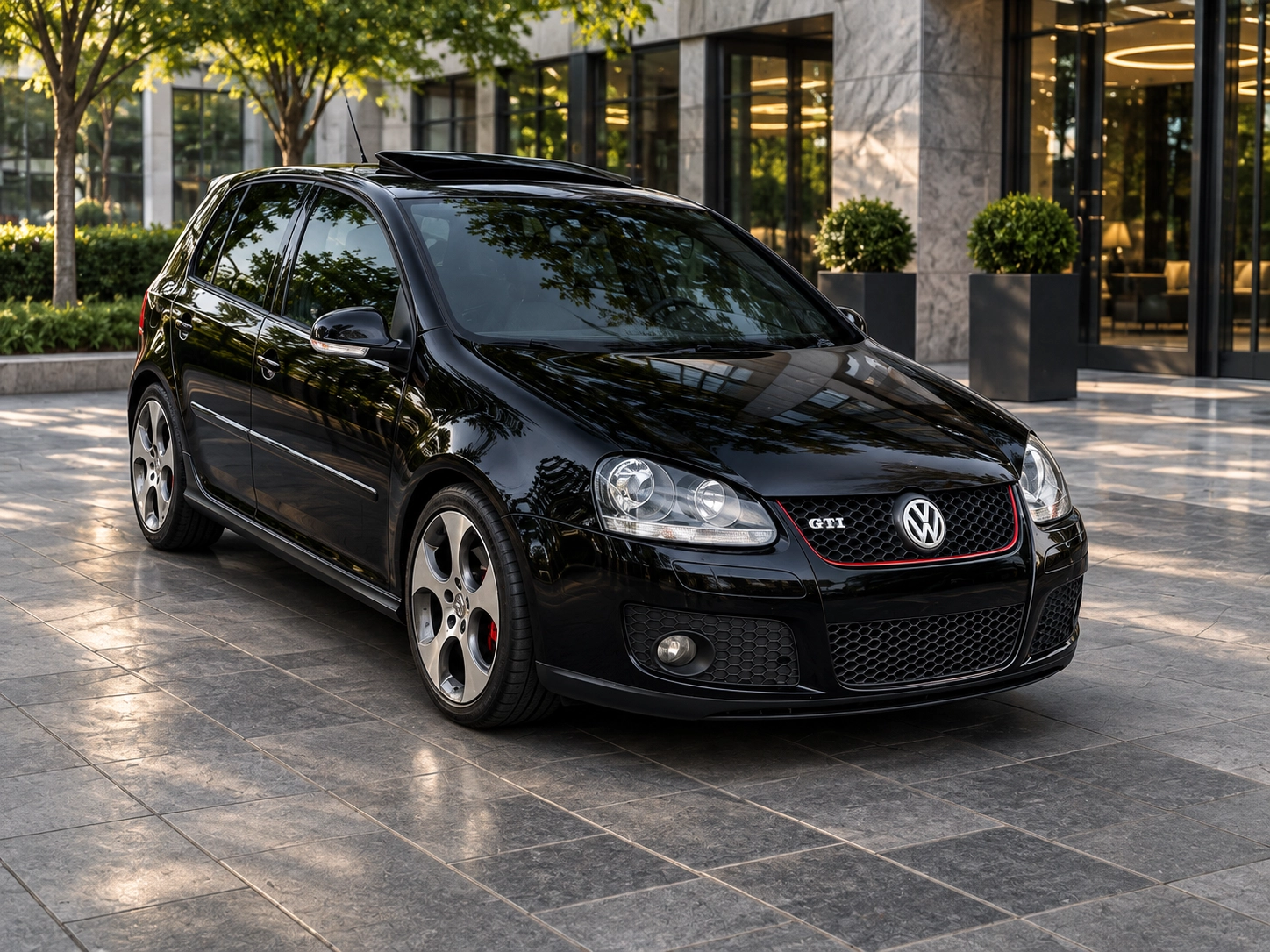
Looking for a golf 5 engine for sale in South Africa? The Volkswagen Golf 5 is a popular hatchback known for its comfortable driving experience, practical design and wide range of petrol and diesel engines. However, finding the correct replacement requires more than choosing an engine advertised for a Golf 5.
Volkswagen produced several versions of the fifth-generation Golf, including the 1.6 petrol, 2.0 FSI, 1.9 TDI, 2.0 TDI, GTI and R32. These models use different engine codes, fuel systems and mechanical components. An engine that fits one Golf 5 may not work correctly in another.
As these vehicles age, problems involving overheating, oil consumption, timing components and internal wear can become more common. Some faults are repairable, while extensive mechanical damage may make an imported replacement engine a more practical option.
This guide explains how to identify the correct Volkswagen Golf 5 engine, compare the available variants and recognise common mechanical problems. It also covers replacement costs, compatibility checks and how Home of Engines & Gearboxes KZN assists customers throughout South Africa.
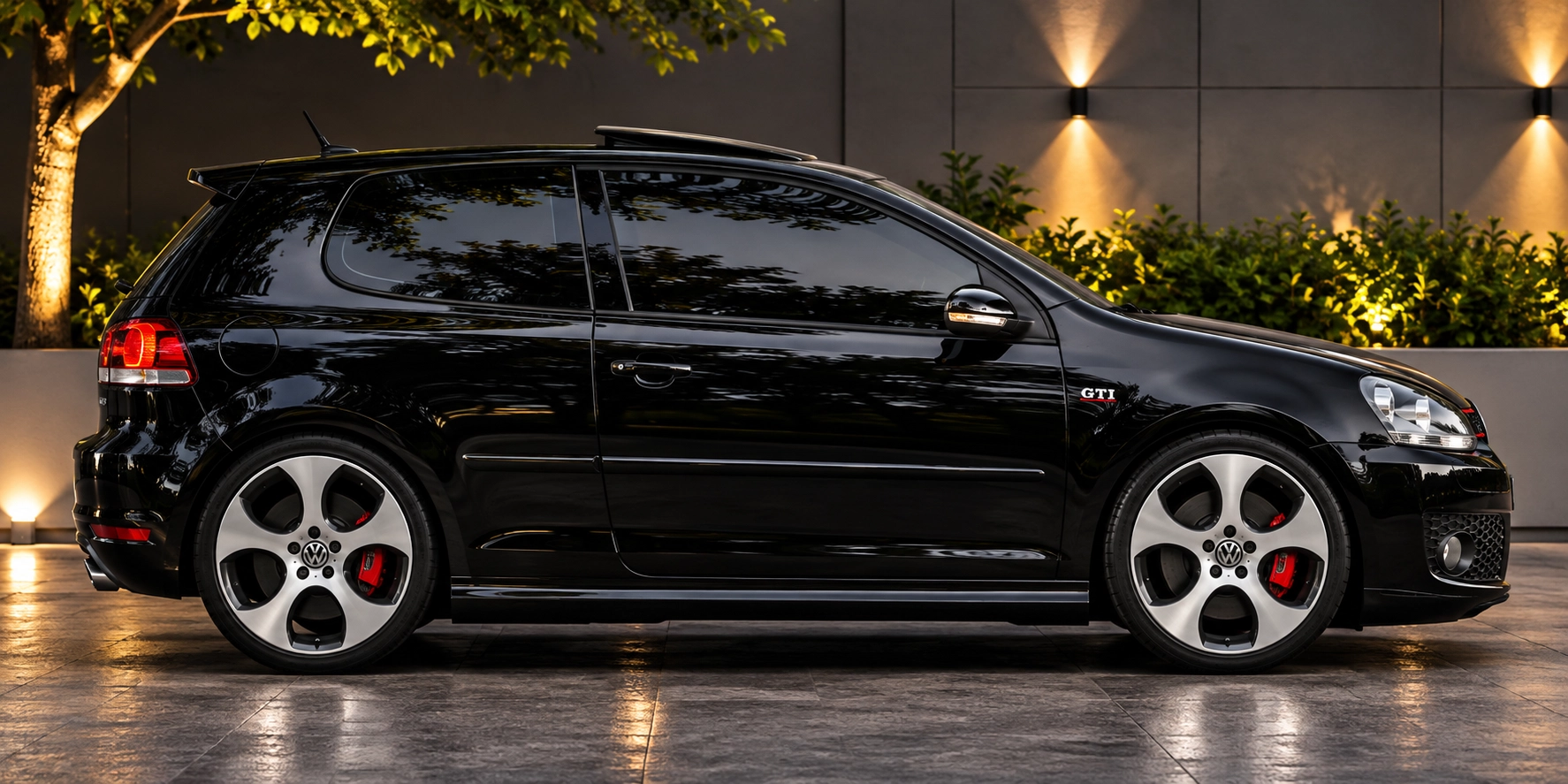
Golf 5 Engine for Sale: Which Engine Does Your Volkswagen Need?
The Volkswagen Golf 5, also known as the Golf Mk5 or Golf V, belongs to the fifth generation of Volkswagen's popular hatchback. Volkswagen introduced the generation internationally in 2003, with local models becoming familiar in South Africa during the following years.
Unlike a vehicle range built around a single engine, the Golf 5 offered several powertrain options. Buyers could choose relatively straightforward naturally aspirated petrol engines, efficient turbo-diesels or performance-focused engines such as the GTI and R32.
This variety is useful for drivers, but it can create confusion when an engine needs replacement. A Golf 5 1.6 petrol uses different components from a 2.0 FSI, while a GTI engine differs substantially from the 2.0 TDI diesel.
Even engines with matching capacities may have different codes. Volkswagen introduced changes to sensors, electronic management, emissions equipment and supporting accessories throughout production.
Before purchasing a replacement, customers should identify the original engine code and confirm that the proposed unit matches their vehicle. This is the most important step in avoiding unnecessary installation expenses.
Volkswagen Golf 5 Engine Specifications and Codes
Understanding the Golf 5 engine range makes it easier to identify compatible replacement units. Volkswagen offered engines with different fuel systems, capacities and power outputs, depending on the market and production year.
The following table compares familiar engine options from the fifth-generation Golf. The engine codes are examples rather than a complete list of every international configuration.
Golf 5 Engine | Capacity | Typical Power | Example Engine Codes |
|---|---|---|---|
1.6 Petrol | 1,595 cc | 75 kW | BGU, BSE, BSF |
2.0 FSI Petrol | 1,984 cc | 110 kW | AXW, BLR, BVY |
1.9 TDI Diesel | 1,896 cc | 77 kW | BKC, BXE, BLS |
2.0 TDI Diesel | 1,968 cc | 103 kW | BKD, BMM |
2.0 GTI Turbo Petrol | 1,984 cc | 147 kW | AXX, BWA |
3.2 R32 Petrol | 3,189 cc | 184 kW | BUB |
Volkswagen also offered other Golf 5 engines internationally, including 1.4-litre petrol and TSI variants, different diesel outputs and higher-powered GTI editions.
Because specifications vary, customers should never assume that a replacement will fit simply because it has the same capacity. The original engine code, vehicle identification information and transmission must also match.
Golf 5 1.6 Petrol Engine: BGU, BSE and BSF
The naturally aspirated 1.6-litre petrol engine became a familiar option in the Golf 5 range. With approximately 75 kW, it delivers practical everyday performance without the additional turbocharger equipment found on some other models.
Common engine codes include BGU, BSE and BSF. These engines share a related design, but their electronic controls, sensors and emissions components can differ according to production year.
The 1.6 petrol engine uses electronic fuel injection and a timing-belt system. Proper timing-belt maintenance is important because neglecting this component can lead to serious internal engine damage.
Owners may encounter ignition problems, cooling-system leaks or oil leaks as the engine ages. However, these faults do not automatically mean that the complete engine requires replacement.
When sourcing another unit, the mechanic should compare the original engine code and relevant accessories. This can help prevent complications involving wiring, sensors and supporting components.
Golf 5 2.0 FSI Engine: Understanding Direct Petrol Injection
The Volkswagen Golf 5 2.0 FSI uses a naturally aspirated petrol engine with direct fuel injection. Common versions produce approximately 110 kW, offering stronger performance than the standard 1.6 petrol model.
FSI stands for Fuel Stratified Injection, Volkswagen's name for its direct petrol-injection technology. Unlike conventional port injection, the system delivers fuel directly into the combustion chamber.
This design introduces different fuel-system components, including high-pressure equipment and direct injectors. As the engine ages, owners may experience ignition faults, fuel-system problems or intake deposits that affect normal operation.
Engine codes such as AXW, BLR and BVY identify different 2.0 FSI configurations. These variants may have differences in electronic controls and supporting equipment.
Customers should not confuse the naturally aspirated 2.0 FSI with the turbocharged 2.0 engine used in the Golf 5 GTI. Although both have similar capacities, their mechanical designs and performance requirements differ.
Golf 5 Diesel Engines: 1.9 TDI and 2.0 TDI
Volkswagen's TDI engines became popular among drivers who wanted strong low-speed torque and economical long-distance performance. The Golf 5 range included both 1.9-litre and 2.0-litre turbo-diesel options.
The familiar 1.9 TDI 77 kW engine uses Volkswagen's Pumpe-Düse unit-injector technology. Codes such as BKC, BXE and BLS appear in selected applications. Although these engines share their basic architecture, individual components can differ.
The 2.0 TDI offers additional displacement and stronger performance in common 103 kW versions. Engine codes such as BKD and BMM identify different configurations, including differences in cylinder-head and emissions equipment.
Diesel engines require careful attention to fuel delivery, lubrication and turbocharger condition. Problems involving injectors, boost systems or exhaust-gas recirculation can cause reduced power and rough running.
However, a loss of performance does not always indicate serious internal engine damage. A qualified diesel mechanic should diagnose the fault before recommending a replacement.
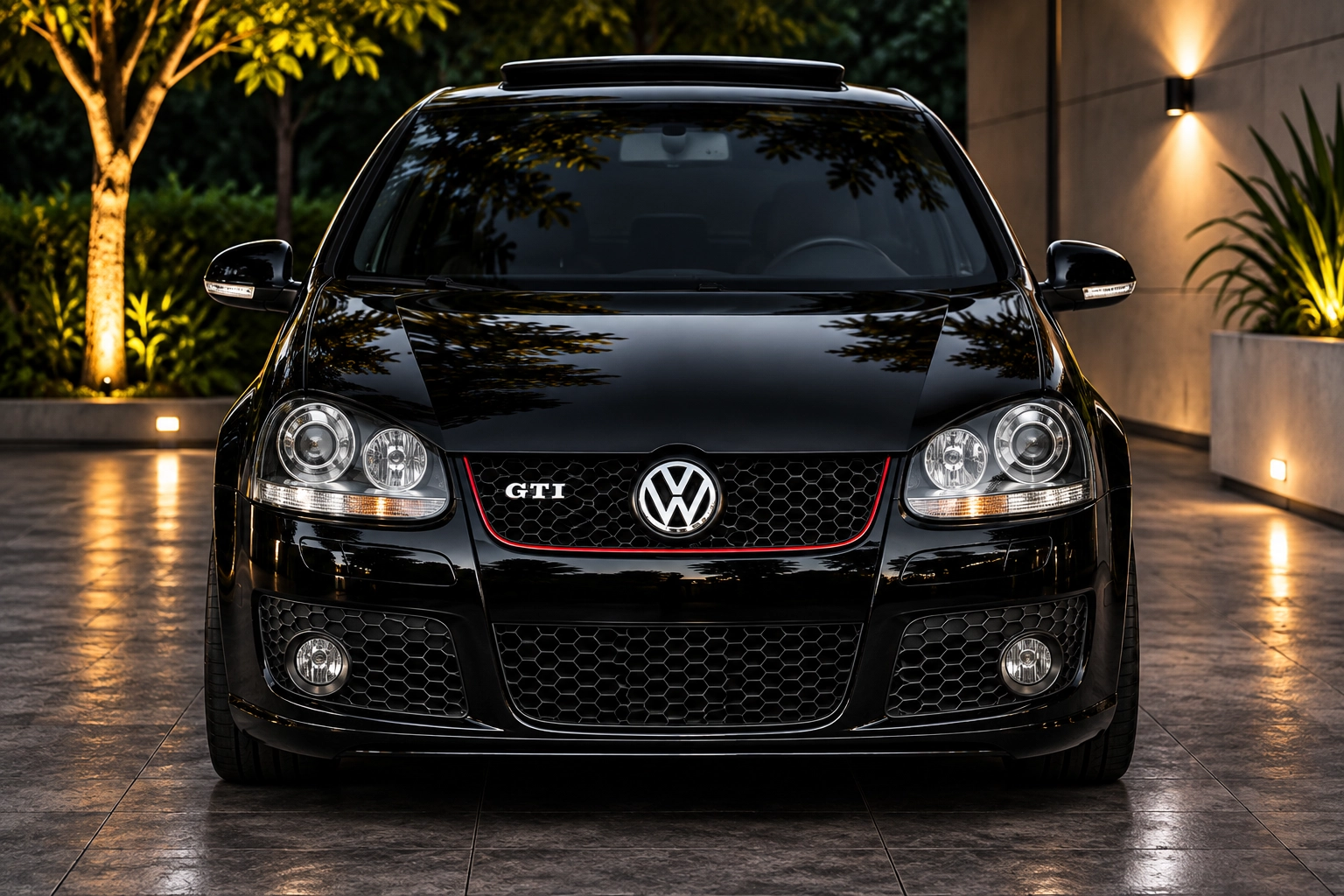
Golf 5 GTI and R32: Performance Engines Require Special Attention
The Golf 5 GTI is one of the most recognisable models in the fifth-generation range. Its turbocharged 2.0-litre petrol engine produces approximately 147 kW and 280 Nm in standard specification.
Engine codes such as AXX and BWA appear in familiar Golf 5 GTI applications. These engines use turbocharging and direct fuel injection, giving them different mechanical and maintenance requirements from the ordinary Golf 5 petrol models.
The GTI's supporting components include specialised turbocharger, fuel-pressure and electronic systems. Buyers should confirm whether the replacement engine comes with the relevant accessories or whether the workshop must reuse suitable parts from the original vehicle.
The Golf 5 R32 uses a different engine altogether. Its naturally aspirated 3.2-litre narrow-angle six-cylinder engine produces approximately 184 kW and 320 Nm in standard specification.
Unlike the GTI's four-cylinder engine, the R32 uses Volkswagen's VR6 architecture. Its engine mounts, electronic systems and drivetrain requirements differ considerably.
Performance engines may also have different warranty terms from ordinary replacement units. Customers should confirm these conditions before purchasing a GTI or R32 engine.
Why Matching Your Golf 5 Engine Code Matters
Engine-code matching is an essential part of buying a Volkswagen replacement engine. The code identifies a specific mechanical configuration and helps suppliers distinguish between related engine variants.
For example, a 2.0 FSI and a 2.0 GTI engine both have approximately two litres of displacement. However, the GTI uses turbocharging and different supporting components, making the engines unsuitable as direct substitutes without significant changes.
Even closely related engine codes may have different sensors, brackets or electronic equipment. A replacement that looks correct from the outside may still require additional components.
Before requesting a quotation, customers should prepare the following information:
Vehicle model and production year: Confirm the exact Golf 5 derivative.
Original engine code: Identify the code stamped on the engine or recorded in vehicle documentation.
Fuel type: Specify petrol or diesel.
Transmission: Confirm the original manual, automatic or DSG gearbox.
VIN: Provide the vehicle identification number when additional confirmation is necessary.
Included components: Ask which sensors, manifolds, turbochargers and accessories form part of the replacement.
These details help suppliers investigate suitable engines and reduce the risk of ordering an incompatible unit. A qualified mechanic should confirm final compatibility before installation.
For more information, explore the Home of Engines KZN Volkswagen engine guide.
Common Volkswagen Golf 5 Engine Problems
Many Golf 5 vehicles have accumulated years of service, making maintenance history an important factor in mechanical reliability. Different engines can develop different faults, but cooling, lubrication and timing-system problems deserve particular attention.
Cooling-system leaks may develop when hoses, water pumps, thermostats or other components deteriorate. Owners might notice coolant loss or rising temperature readings. Continued overheating can damage the cylinder head and other internal engine components.
Oil leaks can also appear as engine seals and gaskets age. Although some leaks involve relatively straightforward repairs, continued oil loss may reduce lubrication and accelerate wear.
On certain petrol engines, worn spark plugs, faulty ignition coils or intake-system problems can cause rough idling and hesitation. Direct-injection engines may also experience fuel-delivery problems or deposits that affect performance.
Diesel models can develop turbocharger-control faults, injector problems or issues involving exhaust-gas recirculation. Drivers may notice reduced acceleration, unusual smoke or inconsistent engine operation.
Golf 5 GTI owners should also pay attention to the correct servicing of the turbocharger and fuel-pressure systems. These components require appropriate diagnosis when performance changes.
However, none of these symptoms automatically proves that an engine needs replacement. A professional inspection should establish the cause before major repairs begin.
Golf 5 Engine Warning Signs and Possible Causes
Recognising changes in engine behaviour can help owners address problems before further damage occurs. The following table outlines common symptoms and possible causes.
Warning Sign | Possible Cause | Recommended Action |
|---|---|---|
Engine overheating | Cooling-system leak or circulation problem | Stop safely and arrange an inspection. |
Rough idling | Ignition, intake or fuel-system fault | Request appropriate diagnostics. |
Loss of acceleration | Turbocharger control, fuel-delivery or mechanical problem | Identify the cause before replacing components. |
Excessive oil consumption | Internal wear, ventilation problem or external leak | Monitor oil levels and investigate the loss. |
Unusual mechanical noise | Timing-system, accessory or internal engine fault | Arrange a professional mechanical assessment. |
Persistent exhaust smoke | Combustion, fuel-delivery or oil-consumption problem | Have the engine inspected. |
These examples provide general guidance rather than a complete diagnosis. The vehicle's engine code, servicing history and mechanical condition determine which repairs are appropriate.
Does the Golf 5 Use a Timing Belt or Timing Chain?
The Volkswagen Golf 5 uses different timing systems depending on the engine. Many familiar 1.6 petrol, 1.9 TDI and 2.0 TDI engines use timing belts, while the R32 uses a timing-chain system.
Other Golf 5 engines may combine different timing components or use systems that differ from those of the standard petrol and diesel models. Owners should therefore confirm the exact requirements for their engine code.
Timing-belt deterioration can cause serious mechanical damage if the belt fails. Chains also require suitable lubrication and can experience tensioner or guide wear over time.
When buying an imported replacement, the timing-system service history may be incomplete. A qualified mechanic should inspect the relevant components and follow the manufacturer's servicing requirements.
Home of Engines KZN requires a new timing belt on belt-driven replacement engines under its published warranty conditions. Customers should confirm these requirements before arranging installation.
How Much Does a Golf 5 Replacement Engine Cost in South Africa?
The price of a golf 5 engine for sale depends on the engine code, mechanical condition, included components and availability. A naturally aspirated 1.6 petrol engine may have different pricing from a turbocharged GTI or 2.0 TDI unit.
Performance engines can also involve specialised components that affect sourcing and installation costs. A Golf 5 R32, for example, requires a different engine assembly from the standard four-cylinder models.
Imported used engines vary in their previous operating conditions and available inspection information. Customers should confirm whether the supplier includes accessories such as manifolds, sensors or turbochargers.
The complete replacement budget may also include professional labour, engine oil, filters, timing-system servicing and delivery charges. Additional repairs may be necessary if the original engine failed because of a cooling or lubrication problem.
For customers in KwaZulu-Natal, Home of Engines KZN can provide a quotation based on the required Volkswagen engine code and current stock.
Buyers should request current pricing in South African Rand rather than relying on outdated advertisements. The final quotation should identify the exact unit being supplied.
What Should You Check Before Buying a Used Golf 5 Engine?
A replacement engine should be evaluated for both compatibility and mechanical condition. Matching the original code is important, but the customer should also understand what is included in the sale.
Before completing a purchase, consider these checks:
Correct fitment: Confirm the engine code, model year and transmission compatibility.
Mechanical condition: Ask what inspection or testing information is available.
Included accessories: Establish whether the engine comes with the relevant sensors, manifolds and other components.
Warranty coverage: Review the written terms and exclusions.
Delivery arrangements: Confirm transport costs and where the unit will be delivered.
Installation requirements: Ask the workshop what additional servicing or replacement parts are necessary.
These checks help customers compare quotations fairly. A cheaper unit may require extra components or workshop labour, making the total replacement cost higher than expected.
Repairing vs Replacing a Volkswagen Golf 5 Engine
Not every mechanical problem requires complete engine replacement. Some faults involve ignition components, cooling-system parts, external seals or sensors that a qualified mechanic can repair individually.
However, serious overheating, extensive internal wear or severe lubrication damage may make rebuilding more complicated. A professional workshop should diagnose the existing engine before recommending a replacement.
Compression testing and other mechanical assessments may help establish the extent of internal damage. The mechanic can then compare the cost of rebuilding with the price of a compatible imported engine.
Rebuilding may remain practical when important internal components are suitable for repair. In other cases, an imported replacement can provide another option when extensive damage makes repairs uneconomical.
The workshop should also identify the cause of the original failure. Installing another engine without correcting a cooling-system or lubrication fault can expose the replacement to similar problems.
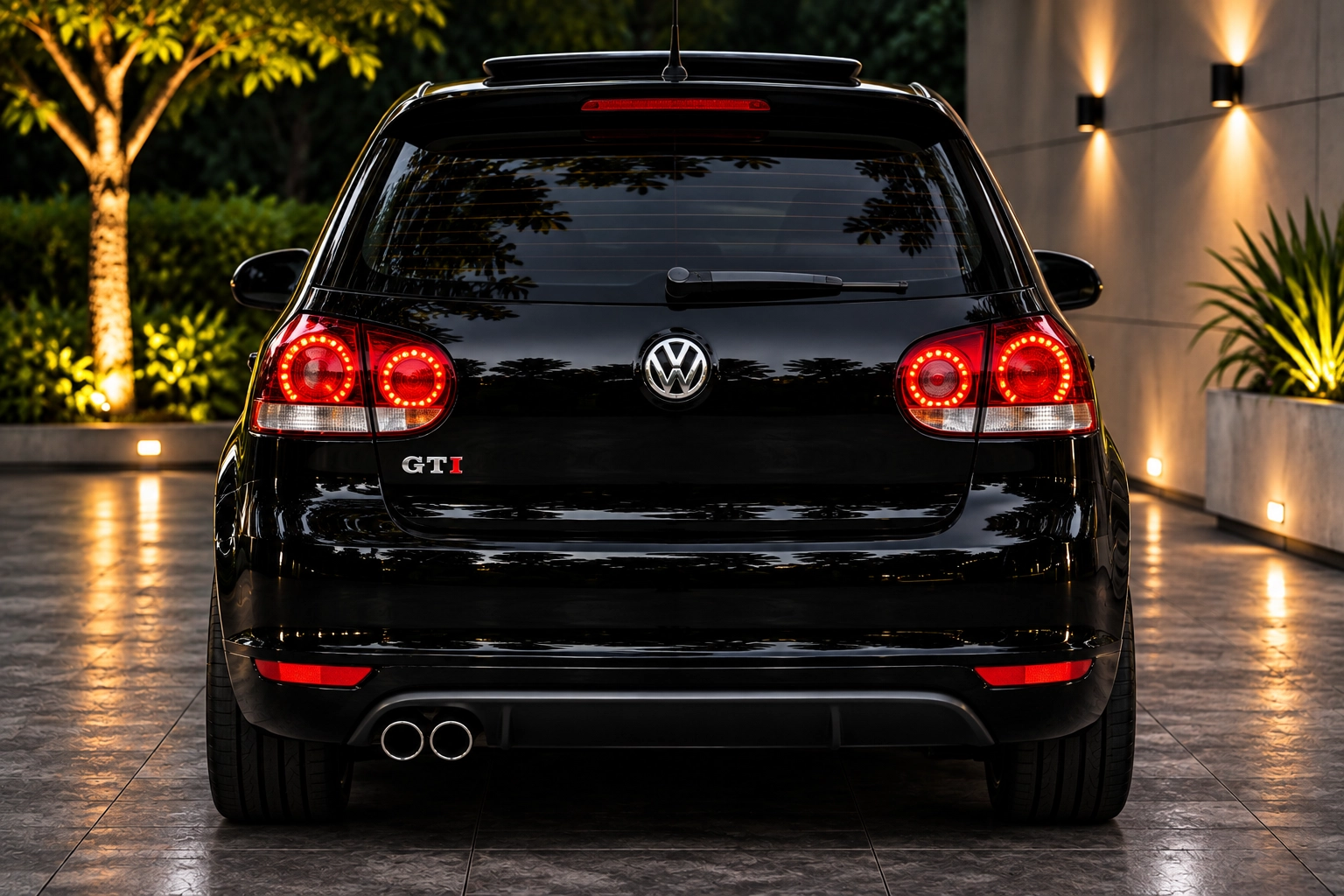
Finding a Golf 5 Engine at Home of Engines KZN
Motorists searching for a golf 5 engine for sale can contact Home of Engines & Gearboxes KZN to enquire about suitable Volkswagen replacement engines.
The company supplies imported used engines and gearboxes sourced from the United Kingdom. Its team assists customers with engine-code identification, compatibility checks and stock enquiries.
Home of Engines KZN operates from 7 Raddical Park, 3 Gourly Road, Ballito, KwaZulu-Natal, 4420. Customers in Durban, Pietermaritzburg, Richards Bay and other parts of the province can enquire about suitable replacement engines.
The company also arranges nationwide delivery, allowing motorists and workshops outside KwaZulu-Natal to request compatible units.
Availability depends on the individual engine code and current stock. Customers should confirm whether the required 1.6, FSI, TDI, GTI or R32 engine is available before making payment.
Explore the Volkswagen engine range at Home of Engines KZN or browse the replacement-engine catalogue.
For assistance, visit the contact page or call the Ballito team on 068 317 8167.
Understanding Home of Engines KZN Warranty Conditions
Warranty coverage is an important consideration when purchasing an imported used engine. Home of Engines KZN publishes a standard three-month warranty covering eligible internal engine components, subject to its written conditions.
The company requires installation by a qualified RMI-registered mechanic and specifies servicing requirements involving fluids, filters, the cooling system and correct engine timing.
Customers purchasing a belt-driven engine must install a new timing belt to meet the published warranty requirements. The company also excludes certain accessories, injectors, electronic components, seals and timing chains from standard coverage.
Turbochargers have separate seven-day warranty terms, while high-performance engines receive start-up-only coverage. These differences are particularly important when considering a Golf 5 GTI or R32 replacement.
Customers should confirm the applicable coverage before purchasing, retain their invoices and follow the written installation requirements.
For complete details, read the Home of Engines KZN terms and conditions.
Golf 5 Engine for Sale: Frequently Asked Questions
What engines are available in the Volkswagen Golf 5?
The Golf 5 range includes 1.6 petrol, 2.0 FSI, 1.9 TDI, 2.0 TDI, 2.0 GTI turbo petrol and 3.2 R32 engines. Other variants also appeared in selected markets.
What engine codes does the Golf 5 1.6 use?
Common Golf 5 1.6 petrol engine codes include BGU, BSE and BSF. Exact fitment depends on the production year and vehicle specifications.
What engine does the Golf 5 GTI use?
The standard Golf 5 GTI uses a turbocharged 2.0-litre petrol engine producing approximately 147 kW. Common engine codes include AXX and BWA.
What is the difference between the Golf 5 FSI and GTI engines?
The standard 2.0 FSI is naturally aspirated, while the 2.0 GTI engine uses turbocharging. Their mechanical components, fuel systems and electronic specifications differ.
Does the Volkswagen Golf 5 use a timing belt or chain?
The timing system depends on the engine. Many Golf 5 petrol and TDI engines use timing belts, while the 3.2 R32 uses a timing chain.
What are common Golf 5 engine problems?
Possible problems include cooling-system faults, oil leaks, ignition issues, diesel injector faults, turbocharger problems and timing-system wear. The exact concerns depend on the engine.
How much does a Golf 5 engine cost in South Africa?
Prices depend on the engine code, mechanical condition, included components and current stock. Customers should request an updated quotation in Rand.
Can Home of Engines KZN supply a Golf 5 replacement engine?
Home of Engines KZN supplies imported Volkswagen replacement engines. Customers should confirm the correct Golf 5 engine code, compatibility, availability and warranty conditions before ordering.
Final Thoughts: Finding the Right Golf 5 Replacement Engine
Finding the correct golf 5 engine for sale in South Africa requires accurate engine identification and a clear understanding of the vehicle's mechanical requirements.
The Volkswagen Golf 5 range includes several petrol and diesel engines, from the practical 1.6 to the more powerful GTI and R32. Their specifications differ, making engine-code matching essential when sourcing a replacement.
Before purchasing, customers should consider engine condition, compatibility, warranty terms and the complete repair cost. A qualified mechanic should also confirm whether rebuilding the existing engine remains practical.
For Volkswagen replacement-engine enquiries in KwaZulu-Natal, visit Home of Engines & Gearboxes KZN or contact the Ballito team with your Golf 5 model and original engine code.