
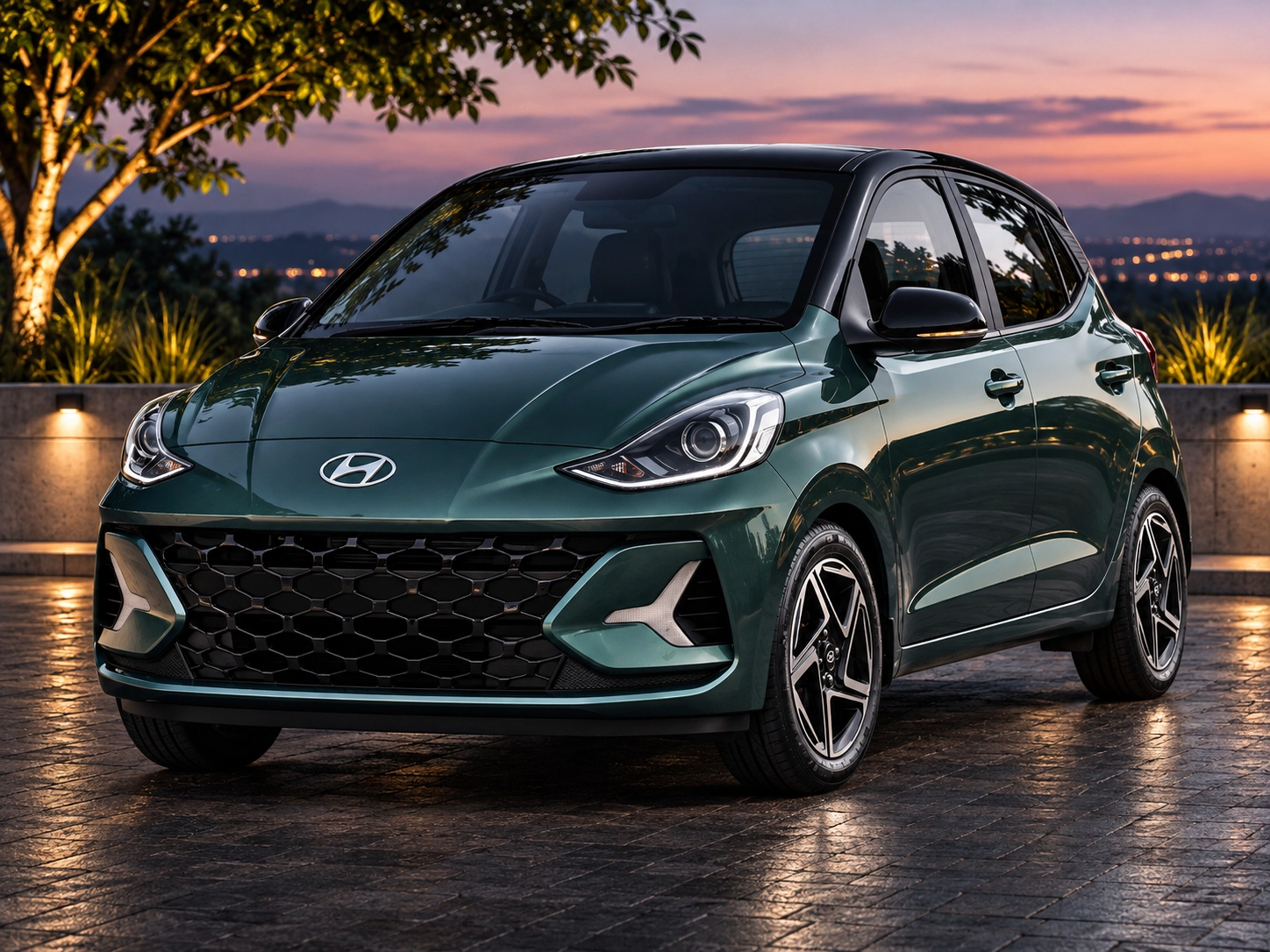
Looking for a g4la engine in South Africa? Before buying a replacement for your Hyundai or Kia, it is important to understand exactly which engine your vehicle needs. The G4LA is a compact petrol engine found in selected Hyundai i10, Grand i10, i20, Kia Picanto and Kia Rio models. Although these vehicles share related engine technology, not every G4LA version has identical components.
When an engine starts overheating, losing power or consuming excessive oil, vehicle owners often assume that replacement is the only solution. However, some problems involve individual components that a mechanic can repair without replacing the complete engine. Knowing the difference can prevent unnecessary expenses.
For owners who genuinely need a replacement, accurate engine identification becomes essential. Production year, valve-timing configuration, electronic systems and gearbox compatibility can all influence which unit will fit the original vehicle.
This guide explains how to identify the Hyundai and Kia G4LA engine, recognise problems that require attention and compare repair with replacement. It also covers purchasing considerations and how Home of Engines & Gearboxes KZN assists customers with imported engine enquiries.
G4LA Engine: What Makes It Different?
The G4LA belongs to the Hyundai and Kia Kappa engine family. It uses a naturally aspirated four-cylinder petrol configuration with a double overhead camshaft cylinder head and sixteen valves. The engine delivers practical performance for compact passenger vehicles without relying on turbocharging.
Many familiar South African applications feature the 1,248 cc version, which manufacturers may describe as a 1.2-litre or 1.25-litre engine. The Hyundai Grand i10 1.25, for example, produces approximately 64 kW and 120 Nm in its published local specifications.
Its compact design makes it suitable for smaller hatchbacks used for commuting, city travel and everyday family transport. However, G4LA engine equipment and performance specifications differ between vehicle generations and markets.
The engine also uses a timing chain rather than a conventional rubber timing belt. Although chains generally provide extended service life, the tensioner and associated components can still experience wear.
Hyundai G4LA Engine Specifications
Technical specifications provide a useful starting point when identifying a replacement engine. However, the original vehicle's engine code and component configuration remain more important than general capacity information.
Specification | Common G4LA Configuration |
|---|---|
Engine manufacturer | Hyundai / Kia |
Engine code | G4LA |
Engine family | Kappa |
Common displacement | 1,248 cc / approximately 1.25L |
Cylinder configuration | Inline four-cylinder |
Valve configuration | DOHC, 16 valves |
Fuel type | Petrol |
Aspiration | Naturally aspirated |
Fuel delivery | Multi-point petrol injection |
Timing system | Timing chain |
Representative power | 64 kW in selected Grand i10 applications |
Representative torque | 120 Nm in selected Grand i10 applications |
These figures describe a common 1,248 cc configuration rather than every engine sold under the G4LA designation. Some vehicle and parts catalogues list different 1.2-litre specifications. Customers should verify displacement, equipment and the complete engine identification before ordering.
Which Hyundai and Kia Models Use the G4LA?
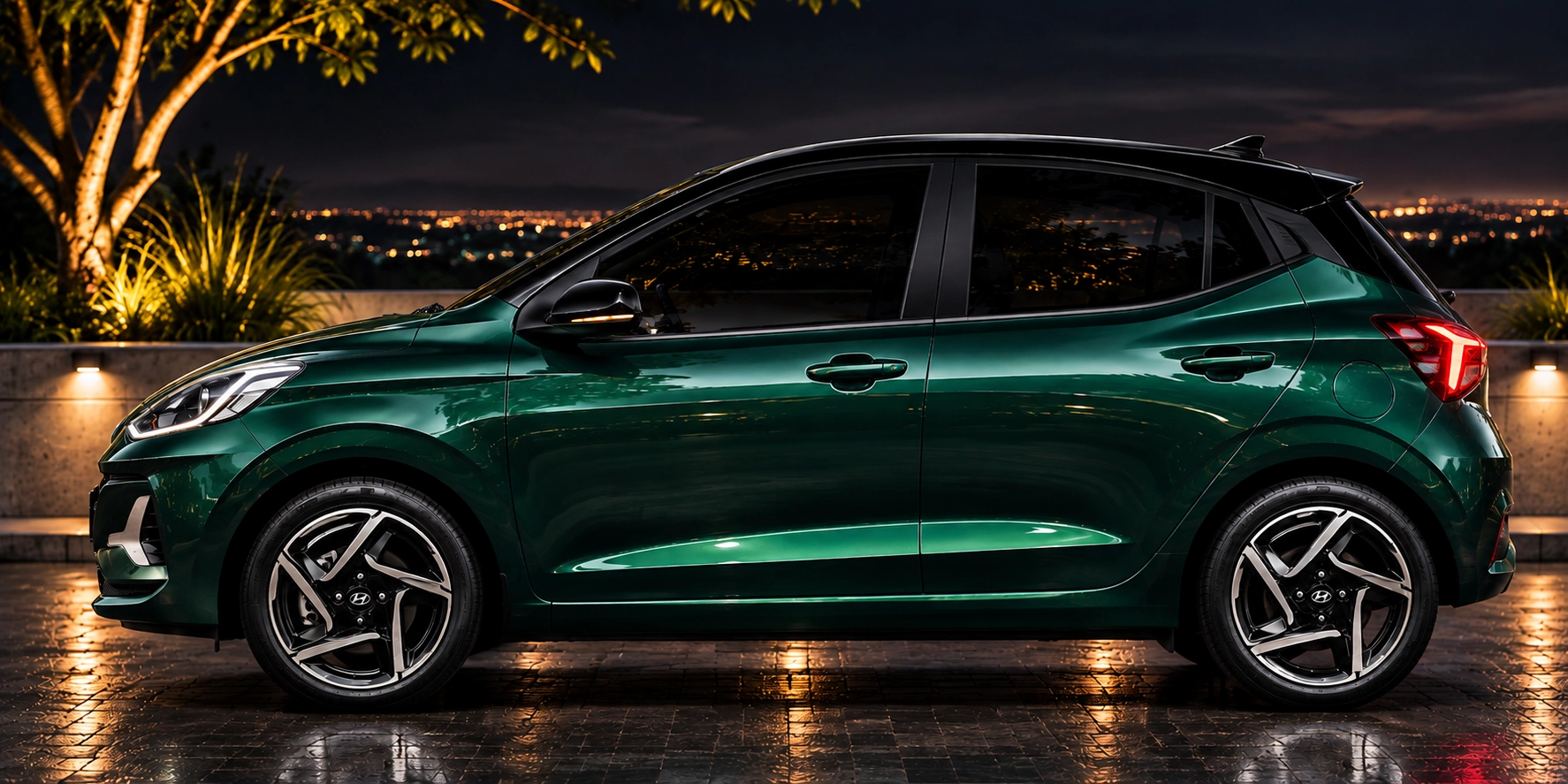
The G4LA appeared in several Hyundai and Kia compact vehicles. In South Africa, one of its most familiar applications is the Hyundai Grand i10 1.25. Selected earlier Hyundai i10 and i20 models also used Kappa engines carrying the G4LA code.
Kia fitted related G4LA engines to selected Picanto and Rio models. However, these vehicles were offered with several petrol-engine options, meaning that the model badge cannot confirm the engine code.
For example, certain Hyundai i10 and Kia Picanto 1.0 models use a smaller three-cylinder engine rather than the four-cylinder G4LA. Other Hyundai and Kia 1.2 or 1.4 vehicles may also use different engine codes.
This distinction becomes important when an owner searches online for a replacement. An advertisement describing an engine as suitable for an i10 or Picanto does not necessarily mean it will fit every production year or derivative.
Before purchasing, a mechanic should identify the original engine and compare it with the proposed replacement.
Why Two G4LA Engines May Not Be Directly Interchangeable
One of the most important things to understand about the G4LA is that sharing an engine code does not always guarantee straightforward installation. Hyundai and Kia updated components across different vehicle generations and markets.
Some earlier versions have different valve-timing arrangements from later engines. Sensors, wiring connectors, intake manifolds, mounting brackets and other accessories may also vary.
For example, an engine sourced from an older Hyundai i10 may not have identical supporting components to one fitted to a later Kia Picanto. Both may belong to the G4LA family, but the vehicle's electronic management system must still work correctly with the replacement.
Customers should also distinguish the G4LA from other Hyundai and Kia engine codes, including the G3LA, G4LB and G4LC. Similar model names or advertised engine sizes are not sufficient evidence of compatibility.
When possible, ask the supplier to compare the original and replacement engine identification, photographs and part details. This helps avoid costly delays after the engine reaches the workshop.
Is Your G4LA Engine Actually Beyond Repair?
Many engine problems begin with symptoms that do not necessarily require a complete replacement. Rough idling, reduced acceleration, unusual noises and fluid leaks can result from several different mechanical or electronic faults.
For example, worn spark plugs, ignition-coil faults or throttle-body problems may affect engine performance. A cooling-system leak can cause overheating, while a worn seal may allow oil to escape without indicating serious internal damage.
Other problems require closer investigation. Persistent timing-chain noise, repeated overheating, substantial oil consumption or poor cylinder compression may suggest more extensive mechanical wear.
A qualified mechanic should assess the engine before recommending replacement. Relevant diagnostic procedures may include reading stored fault codes, inspecting fluid systems and checking cylinder compression.
G4LA Engine Symptoms: Repair or Replacement?
Engine Symptom | What It Could Indicate | Next Step |
|---|---|---|
Rough idling | Ignition, throttle-body or air-intake problem | Diagnose serviceable components first. |
Difficulty starting | Battery, ignition, sensor or fuel-delivery fault | Check the starting and electronic systems. |
Timing-chain rattle | Chain, guide or tensioner wear | Arrange a professional timing-system inspection. |
Coolant loss or overheating | Leak, circulation problem or possible internal damage | Stop safely if overheating and investigate promptly. |
Excessive oil consumption | External leaks, ventilation problems or internal wear | Assess oil loss and engine condition. |
Poor compression | Possible valve, piston-ring or cylinder-related damage | Compare repair and replacement costs. |
These symptoms do not establish a diagnosis on their own. The actual mechanical condition determines whether a repair, rebuild or replacement is appropriate.
When Replacing a G4LA Makes Financial Sense
Replacing an engine can become practical when major internal damage makes rebuilding complicated or expensive. However, customers should compare the complete costs rather than looking only at the price of a used engine.
A rebuild may involve machining, replacement internal components and significant workshop labour. It can still be a sensible option when the original engine block and other major components remain suitable for repair.
A compatible imported engine offers another solution when rebuilding becomes uneconomical. The replacement may reduce the amount of internal engine work needed, but installation and servicing still add to the final cost.
The workshop should also identify what caused the original failure. For example, an unresolved cooling-system fault could damage a replacement engine if the mechanic does not correct it.
For owners of older Hyundai i10, Grand i10 and Kia Picanto vehicles, it is worth comparing the full engine-replacement quotation with the vehicle's overall condition and value. That helps determine whether the investment remains practical.
What to Check Before Buying a Used G4LA Engine
Once a mechanic confirms that replacement is necessary, the next step is finding an engine that matches the original vehicle. Accuracy at this stage can prevent unexpected component purchases and installation delays.
Before requesting a quotation, prepare the following details:
Original engine code: Confirm that the vehicle uses the G4LA specification.
Vehicle model and year: Identify the exact Hyundai or Kia generation and derivative.
VIN: Supply the vehicle identification number for additional compatibility checks.
Gearbox information: Confirm whether the vehicle uses a manual or automatic transmission.
Engine configuration: Compare valve-timing equipment, sensors, connectors and mounting components.
Included accessories: Establish which parts come with the replacement engine.
Customers should also ask what inspection information is available for the individual unit. A used engine may have a different maintenance history and condition from another engine with the same code.
For additional information about replacement applications, explore the Home of Engines KZN Hyundai guide and Kia engine guide.
What Should a G4LA Replacement Engine Quotation Include?
Not all replacement-engine quotations cover the same components or services. Some suppliers provide an engine assembly with selected accessories, while others sell a more basic unit that requires the workshop to transfer parts from the original engine.
Before comparing prices, customers should establish exactly what they are purchasing. It is also important to confirm whether the supplier has the engine physically available and whether the quotation includes transport.
A clear quotation should address:
The exact engine code and the identified vehicle application.
The condition of the engine and available inspection information.
Which components and accessories form part of the sale.
Whether VAT and delivery charges are included.
Applicable warranty terms and installation requirements.
Any additional servicing the workshop must complete.
These details make it easier to compare different offers. A lower advertised price may not represent the better option if the workshop needs to purchase additional components.
How Much Does a G4LA Engine Cost in South Africa?
The price of a replacement G4LA depends on mechanical condition, available stock and the components included with the unit. Demand for specific Hyundai and Kia variants can also affect availability.
Because some G4LA engines use different supporting equipment, customers should not compare quotations based only on the advertised 1.2-litre capacity. A compatible engine with the correct electronic components may be more practical than a cheaper unit requiring substantial modifications.
Professional installation, fluids, filters, gaskets and delivery may also add to the final cost. Additional repairs can be necessary if the original engine failed because of overheating or inadequate lubrication.
Customers in KwaZulu-Natal should request current pricing in South African Rand and confirm what the quotation includes. Home of Engines KZN can investigate suitable replacement options based on the original engine code and current stock.
Why Professional G4LA Engine Installation Matters
Even a correctly matched replacement engine requires careful installation. The workshop must confirm that the engine, gearbox and supporting systems work together as intended.
Before fitting the replacement, the mechanic should inspect the cooling system, engine mounts, electronic connections and other relevant components. Any faults that contributed to the original engine failure should receive attention.
The G4LA uses a timing chain, so its servicing requirements differ from those of belt-driven engines. However, a mechanic should still assess the timing system and investigate any unusual mechanical noise.
Proper lubrication is especially important. The workshop should use the correct oil specification, replace the required filters and follow the supplier's installation instructions.
Once installed, the mechanic should confirm normal engine operation, check for fluid leaks and investigate any warning lights. Keeping the invoice and installation records can also help with future warranty enquiries.
G4LA Engine Enquiries at Home of Engines KZN
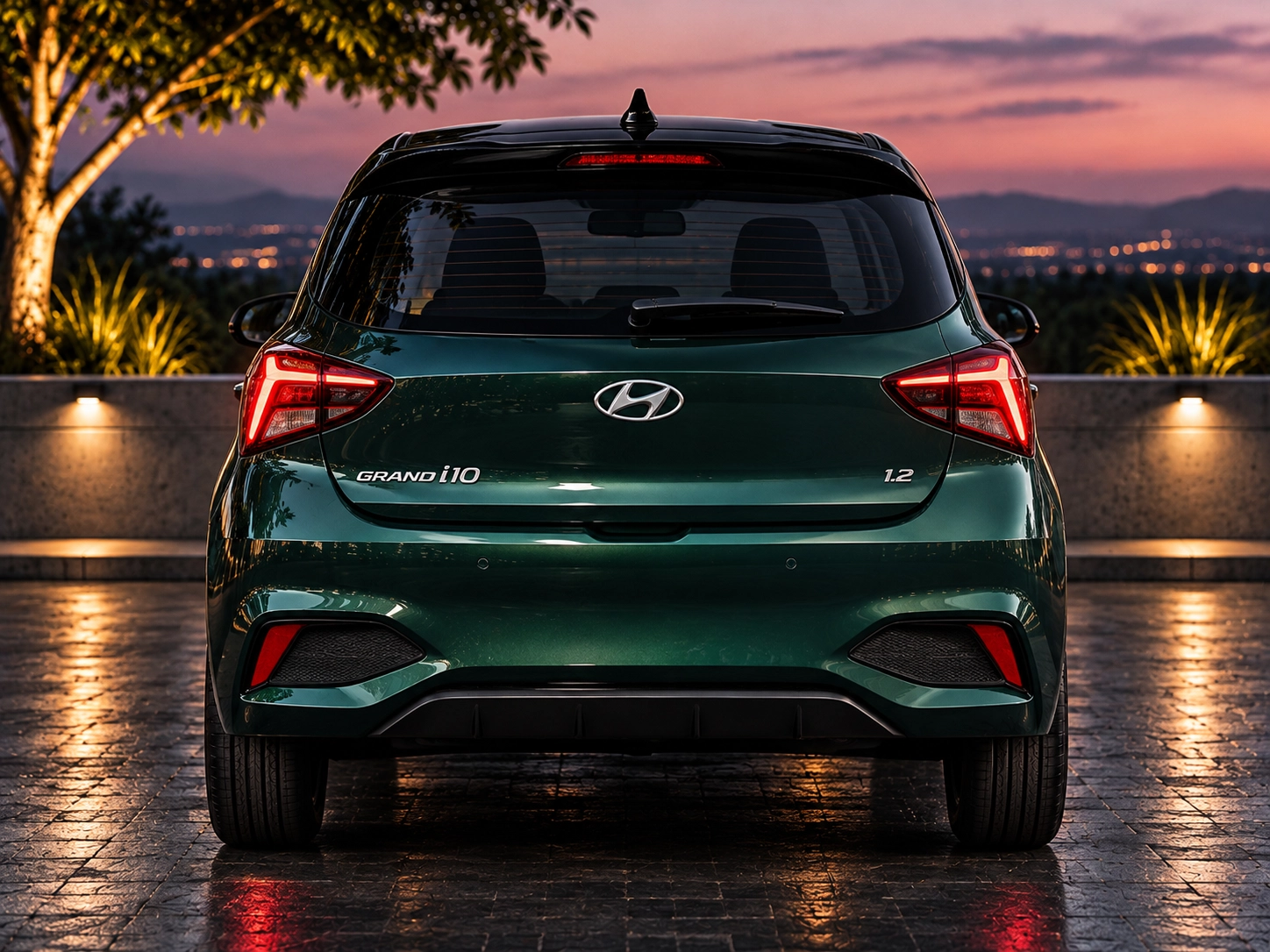
Hyundai and Kia owners searching for a compatible G4LA engine can enquire with Home of Engines & Gearboxes KZN. The company supplies imported used engines and gearboxes and assists customers with engine-code and fitment enquiries.
Home of Engines KZN operates from 7 Raddical Park, 3 Gourly Road, Ballito, KwaZulu-Natal, 4420. Customers in Durban, Pietermaritzburg, Richards Bay and surrounding areas can contact the team about suitable replacement engines.
The company also arranges nationwide delivery, making it possible for customers outside KwaZulu-Natal to enquire about units from its available stock.
Before purchasing, customers should confirm the exact G4LA version, vehicle compatibility and included components. Availability of a specific engine cannot be assumed without stock confirmation.
Browse the engine catalogue or contact Home of Engines KZN on 068 317 8167 to request assistance.
Understanding the Warranty Before Buying
Warranty conditions are an important part of purchasing an imported used engine. Home of Engines KZN publishes a standard three-month warranty covering eligible internal engine components, subject to its written conditions.
The company requires installation by a qualified RMI-registered mechanic and specifies servicing requirements involving engine fluids, filters and cooling-system components.
Its standard warranty excludes certain accessories, sensors, seals and timing chains. Customers buying a G4LA should pay attention to the timing-chain exclusion and confirm what protection applies to the specific unit.
Buyers should also understand that the supplier excludes damage caused by incorrect installation, overheating and other listed circumstances. Reading the written conditions before purchasing helps prevent misunderstandings.
For full information, visit the Home of Engines KZN terms and conditions.
G4LA Engine Frequently Asked Questions
What is a G4LA engine?
The G4LA is a naturally aspirated four-cylinder petrol engine from the Hyundai and Kia Kappa family. It uses a DOHC sixteen-valve configuration and a timing chain.
Is the G4LA a 1.2 or 1.25 engine?
The G4LA commonly appears in vehicles advertised as 1.2-litre or 1.25-litre models. A familiar configuration has a displacement of 1,248 cc, but exact specifications should be checked against the vehicle.
Which cars use the G4LA engine?
Selected Hyundai i10, Grand i10 and i20 models, along with Kia Picanto and Rio applications, use G4LA engines. Fitment varies by vehicle generation and market.
Does the G4LA use a timing belt or chain?
The Hyundai and Kia G4LA uses a timing chain. Its chain, guides and tensioner can still experience wear, particularly when lubrication or maintenance is inadequate.
Can a Kia Picanto G4LA fit a Hyundai Grand i10?
Both vehicles may use engines from the G4LA family, but direct fitment is not guaranteed. Engine-generation differences, sensors, electronic controls and supporting components must be checked.
What are signs of a failing G4LA engine?
Possible warning signs include persistent mechanical noise, oil consumption, overheating, rough idling and reduced compression. A mechanic should confirm the cause before recommending replacement.
How much does a G4LA engine cost in South Africa?
Pricing depends on the engine's configuration, condition, included accessories and current availability. Customers should request a quotation covering the engine and related costs.
Can Home of Engines KZN supply a G4LA replacement?
Home of Engines KZN supplies imported Hyundai and Kia replacement engines. Customers should confirm current G4LA stock, compatibility, pricing and warranty conditions before ordering.
Final Thoughts: Choosing the Right G4LA Replacement
Finding the correct g4la engine involves more than searching for a Hyundai or Kia 1.2-litre replacement. Model year, engine specification, electronic equipment and mechanical condition can all affect compatibility.
Before buying, establish whether the original engine genuinely needs replacement. Some problems involve serviceable components, while extensive internal damage may make a replacement the more practical choice.
For customers who need another engine, a clear quotation and accurate fitment checks can reduce unexpected expenses. Professional installation and an understanding of the supplier's warranty conditions are equally important.
To discuss Hyundai or Kia replacement-engine options, visit Home of Engines & Gearboxes KZN or contact the Ballito team with your vehicle details and original engine code.