
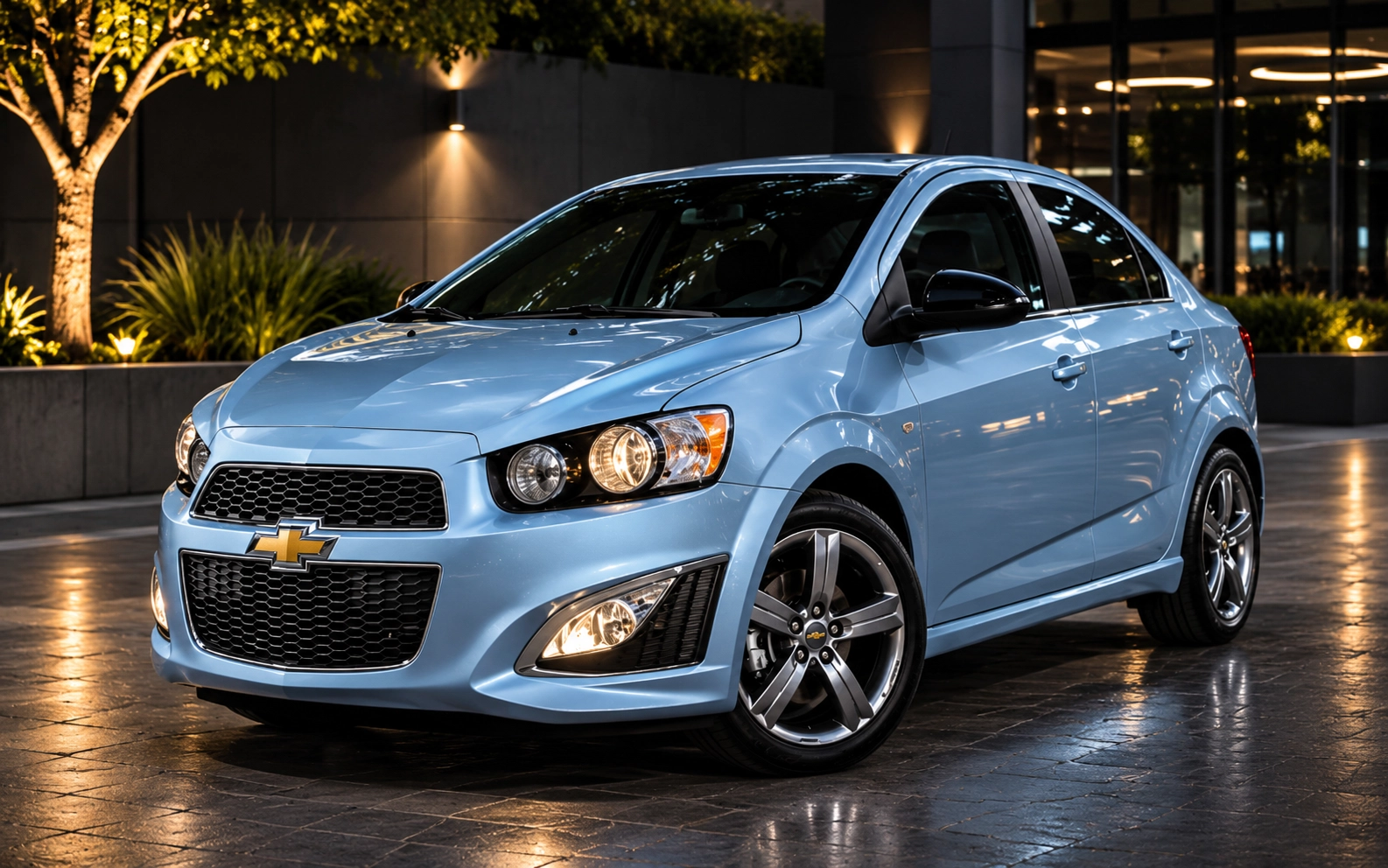
Looking for a chevrolet sonic engine for sale in South Africa? Finding the right replacement starts with identifying the exact engine fitted to your vehicle. The Chevrolet Sonic was available with several petrol and diesel engines, and choosing an incompatible unit can lead to unnecessary installation costs and mechanical problems.
The Sonic became a familiar compact car on South African roads thanks to its practical design, comfortable driving experience and range of engine options. However, older vehicles can develop mechanical problems through years of operation. Cooling-system faults, lubrication problems and internal wear may eventually make engine replacement necessary.
One of the biggest challenges when buying a replacement is understanding the differences between Sonic engine variants. The standard 1.4 petrol, 1.6 petrol, 1.3 diesel and turbocharged RS use different components and engine-management systems. Similar engine capacities do not guarantee compatibility.
This guide explains Chevrolet Sonic engine specifications, common mechanical problems, engine-code identification and replacement costs. It also covers how Home of Engines & Gearboxes KZN assists customers with imported replacement-engine enquiries throughout KwaZulu-Natal and South Africa.
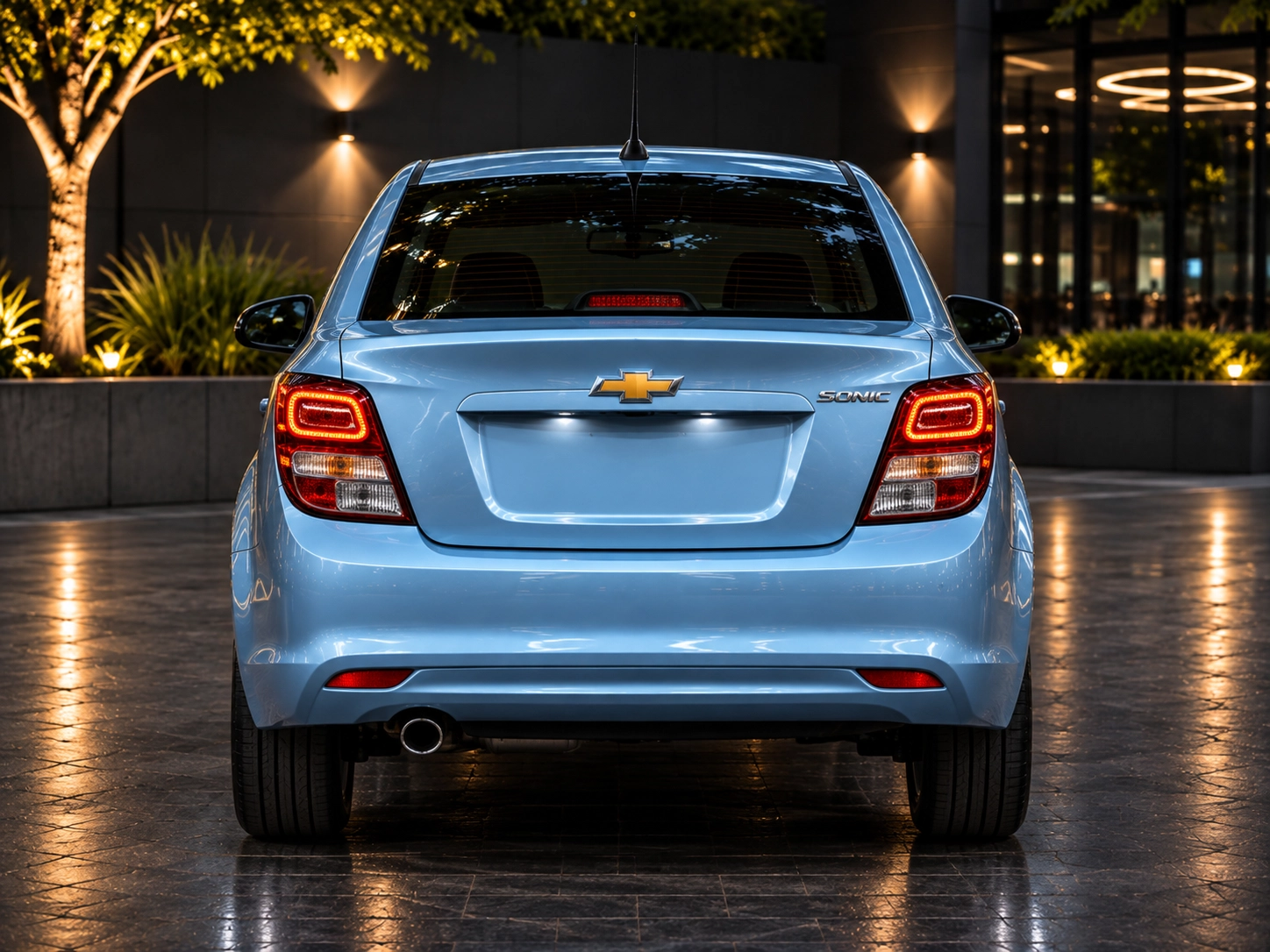
Chevrolet Sonic Engine for Sale: Which Engine Does Your Car Need?
The Chevrolet Sonic belongs to the T300 generation, introduced to South Africa in 2011. General Motors offered the vehicle in hatchback and sedan configurations, with different engine options depending on the model and production year.
The standard petrol range included a naturally aspirated 1.4-litre engine and a larger 1.6-litre option. Chevrolet also introduced a 1.3-litre turbo-diesel model for motorists who wanted a different balance of fuel economy and torque.
In 2014, the Chevrolet Sonic RS joined the South African range. This version featured a turbocharged 1.4-litre petrol engine producing 103 kW, along with a six-speed manual transmission and sportier styling.
Although these vehicles share the Sonic name, their engines are not interchangeable without careful mechanical and electronic checks. The fuel system, timing arrangement, engine mounts and supporting components may differ.
Before requesting a replacement, confirm the original engine code rather than relying only on the model badge. This helps identify the correct unit and reduces the likelihood of ordering an incompatible engine.
Chevrolet Sonic Engine Specifications and Codes
The Sonic engine range includes several four-cylinder engines with different capacities and performance characteristics. These differences affect how the vehicle drives, how mechanics service it and which replacement components it requires.
The following table compares familiar South African Sonic engine applications. Engine codes are representative examples and should be checked against the individual vehicle.
Sonic Engine | Capacity | Typical Power | Engine Identification |
|---|---|---|---|
1.4 Petrol | 1,398 cc | 74 kW | A14XER / LDD family |
1.6 Petrol | 1,598 cc | 85 kW | F16D4 / LDE family |
1.3 Turbo Diesel | 1,248 cc | 70 kW in selected SA versions | LSF-related applications |
1.4 Turbo RS | 1,364 cc | 103 kW | 1.4 turbo ECOTEC family; verify exact code |
These figures reflect documented South African applications. International Chevrolet Sonic models may use different engine configurations, so imported engines require additional verification.
For example, the naturally aspirated Sonic 1.4 has a different capacity and engine configuration from the turbocharged Sonic RS 1.4. The two engines should not be treated as identical simply because their advertised sizes are similar.
Chevrolet Sonic 1.4 Petrol Engine
The standard Chevrolet Sonic 1.4 petrol became one of the familiar options in the local range. It uses a naturally aspirated four-cylinder design with a sixteen-valve cylinder head and electronic fuel injection.
South African specifications list approximately 74 kW and 130 Nm for this engine. Its performance suits everyday commuting, urban traffic and general passenger transport rather than high-performance driving.
The A14XER is an important engine code associated with these applications. General Motors also uses internal engine-family designations, including LDD, in its parts information.
The A14XER uses a timing-chain arrangement. However, a timing chain still relies on effective lubrication and properly functioning tensioners and guides. Unusual rattling or timing-related faults deserve professional inspection.
When sourcing a used replacement, customers should verify the original engine code and electronic components. Similar engines from other General Motors vehicles may have different sensors, manifolds or accessories.
Chevrolet Sonic 1.6 Petrol Engine
The Chevrolet Sonic 1.6 uses a larger naturally aspirated petrol engine. In common South African specifications, it delivers approximately 85 kW and 155 Nm, providing stronger performance than the standard 1.4.
The F16D4 is a familiar engine code associated with the Sonic 1.6. It belongs to a later General Motors petrol-engine generation and includes variable valve-timing technology.
Unlike the A14XER 1.4, the F16D4 uses a timing belt. This difference is particularly important when discussing maintenance and installation requirements.
Some older Chevrolet Aveo and Cruze engines have similar capacities but different engine codes. For example, the F16D3 and F16D4 are not identical, despite both being 1.6-litre petrol engines.
Customers should therefore check the exact engine designation before purchasing. The mechanic must also confirm compatibility involving the original gearbox, sensors and electronic controls.
Chevrolet Sonic 1.3 Turbo-Diesel Engine
Chevrolet also introduced a 1.3-litre turbo-diesel Sonic in South Africa. This engine appealed to motorists who wanted strong low-speed torque and economical everyday driving.
The diesel uses a four-cylinder configuration with common-rail fuel injection and turbocharging. Selected local versions produced approximately 70 kW, although specifications vary between engine codes and markets.
Diesel engines require different servicing and replacement components from petrol engines. Fuel-injection equipment, turbocharger controls and electronic management must match the original vehicle.
Some General Motors catalogues identify related diesel versions using LSF designations, while other variants use different engine codes. Customers should confirm the complete identification through the vehicle's original documentation or a qualified mechanic.
When replacing a diesel engine, customers should also establish whether the turbocharger and fuel-system components come with the unit. These accessories can affect the total repair cost.
Chevrolet Sonic RS 1.4 Turbo Engine
The Sonic RS represents the performance-focused version of the Chevrolet Sonic. General Motors South Africa introduced the model in 2014 with a turbocharged 1.4-litre ECOTEC petrol engine.
The engine produces approximately 103 kW and 200 Nm. Chevrolet paired it with a six-speed manual gearbox, creating a different driving experience from the standard Sonic petrol models.
Although the standard Sonic 1.4 and Sonic RS both carry a 1.4-litre designation, their engines have different capacities, induction systems and supporting components.
The RS uses a turbocharger, which introduces additional equipment and servicing requirements. Turbocharger condition, cooling-system performance and lubrication become important considerations when evaluating a replacement.
Customers should confirm the exact turbocharged engine code and included accessories before purchasing. High-performance engine applications may also have different warranty conditions from ordinary replacement engines.
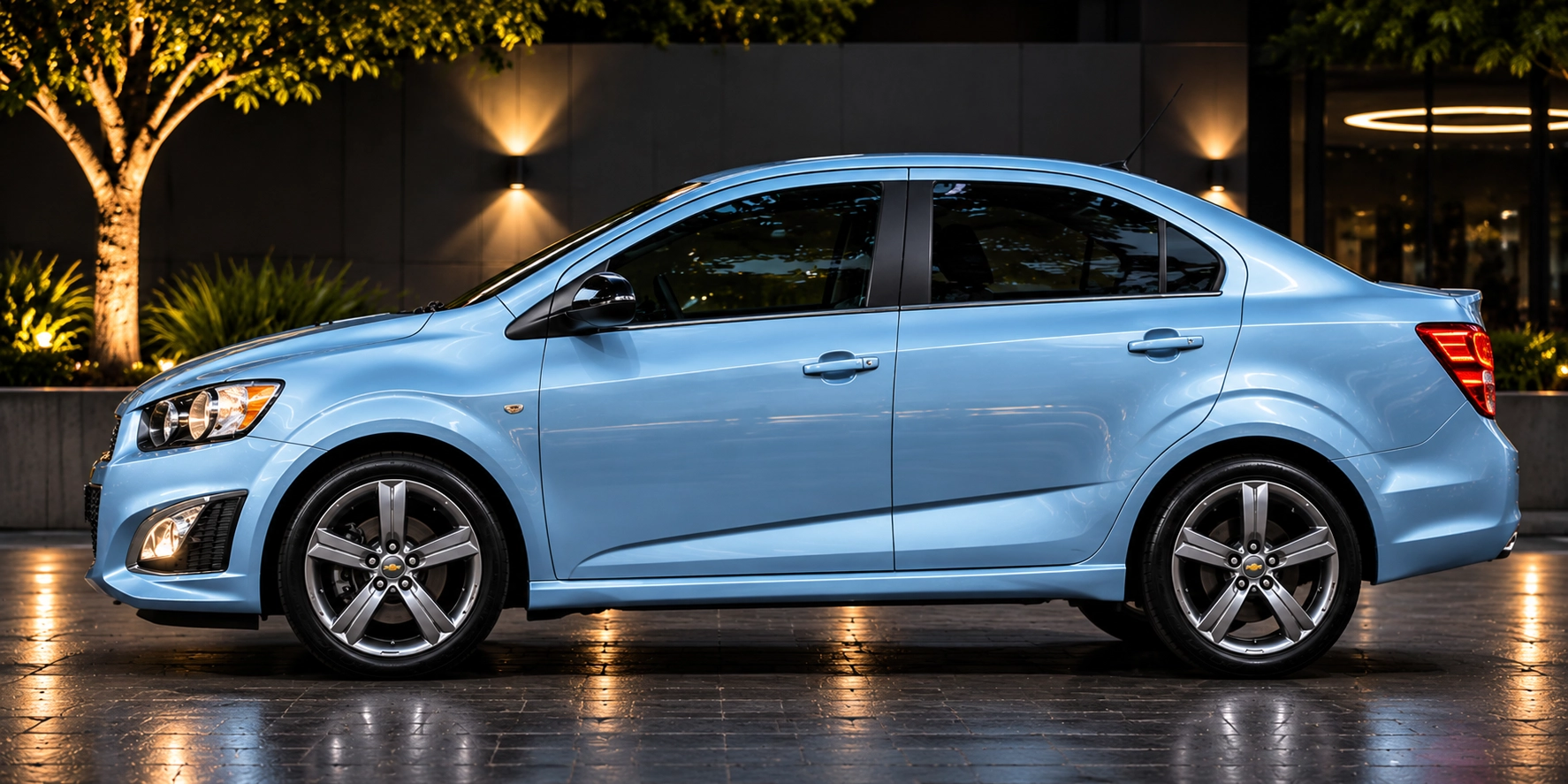
Chevrolet Sonic vs Chevrolet Aveo: Are the Engines Interchangeable?
One common source of confusion involves the Chevrolet Sonic and Chevrolet Aveo names. General Motors used the Aveo name for certain international versions of the T300 platform, while South African motorists became familiar with the Sonic designation.
However, the older Chevrolet Aveo and the newer Sonic do not necessarily use the same engine. Earlier Aveo models featured different petrol-engine codes and electronic systems.
For example, a replacement advertised for an older Aveo 1.6 may not match the F16D4 installed in a Sonic 1.6. Differences involving cylinder-head components, electronic controls and sensors may complicate installation.
Customers should therefore identify the vehicle generation and original engine code before comparing imported replacements. A qualified mechanic can help confirm compatibility where the model descriptions are unclear.
Common Chevrolet Sonic Engine Problems
The Chevrolet Sonic can provide dependable everyday transportation when owners maintain it correctly. However, ageing components can develop faults that affect performance and reliability.
Cooling-system problems deserve particular attention. Radiator leaks, thermostat faults, ageing hoses and water-pump problems can cause coolant loss or overheating. Continued operation at excessive temperatures may damage internal engine components.
Oil leaks may develop as gaskets and seals deteriorate. Owners might notice oil residue around the engine or stains beneath the vehicle. Although some leaks involve relatively straightforward repairs, ongoing oil loss can accelerate mechanical wear.
Petrol models may experience rough idling or hesitation because of ignition faults. Worn spark plugs, faulty ignition coils and intake problems can interfere with normal combustion. Similar symptoms can also result from fuel-system or electronic faults.
Variable valve-timing components may also develop problems on certain petrol engines. Incorrect lubrication or faults involving control components can affect engine performance and produce diagnostic warnings.
Turbocharged Sonic RS and diesel variants have additional components that require attention. Turbocharger-control problems, intake leaks and fuel-system faults can reduce power, but professional diagnosis is essential before replacing expensive parts.
These concerns do not automatically mean that the complete engine requires replacement. Identifying the actual fault can help owners avoid unnecessary repairs.
Chevrolet Sonic Engine Warning Signs
Changes in engine performance can indicate developing mechanical problems. However, different faults can produce similar symptoms, so the following table should be used as general guidance rather than a diagnosis.
Warning Sign | Possible Cause | Recommended Action |
|---|---|---|
Engine overheating | Cooling-system leak or circulation problem | Stop safely and arrange an inspection. |
Rough idling | Ignition, intake or fuel-system fault | Request appropriate diagnostics. |
Reduced acceleration | Fuel-delivery, turbocharger or electronic problem | Identify the cause before replacing components. |
Oil consumption | Internal wear, ventilation fault or external leak | Monitor levels and investigate the loss. |
Unusual engine noise | Timing-system, accessory or internal fault | Arrange a professional mechanical assessment. |
Engine warning light | Sensor, combustion or electronic-control fault | Check diagnostic codes and investigate. |
A professional inspection helps determine whether the engine requires routine servicing, individual component replacement or more extensive mechanical work.
Does the Chevrolet Sonic Use a Timing Belt or Chain?
The Chevrolet Sonic uses different timing systems depending on the engine. This makes it important to identify the exact engine code before arranging maintenance or purchasing a replacement.
The naturally aspirated 1.4-litre A14XER uses a timing chain, while the 1.6-litre F16D4 uses a timing belt. The turbocharged 1.4-litre engine also uses a chain-driven timing system in familiar applications.
Timing belts deteriorate through age and normal operation. Owners should follow the applicable service schedule and confirm when the belt was last replaced.
Timing chains can provide extended service life but are not maintenance-free. The tensioners, guides and related components can wear, particularly when lubrication has been inadequate.
Customers buying a used Sonic engine should confirm the applicable timing-system requirements with their workshop. Home of Engines KZN requires a new timing belt on belt-driven replacement engines under its published warranty conditions.
How to Choose the Correct Chevrolet Sonic Replacement Engine
Accurate engine identification is one of the most important steps in buying a replacement. Different Chevrolet Sonic models use engines with distinct mechanical and electronic requirements.
Before requesting a quotation, customers should prepare the following information:
Original engine code: Confirm the exact designation fitted to the vehicle.
Vehicle model and year: Identify the Sonic hatchback or sedan and its production year.
Fuel type: Specify petrol or diesel.
Transmission: Confirm the original manual or automatic gearbox.
VIN: Provide the vehicle identification number for additional compatibility checks.
Included components: Establish whether sensors, manifolds, turbochargers and other accessories form part of the replacement.
These details help suppliers investigate suitable replacement options. A qualified mechanic should confirm final compatibility before installation, especially when the engine comes from another General Motors model.
Customers can also review the Home of Engines KZN vehicle brand hub for general information about matching engines to vehicle specifications.
How Much Does a Chevrolet Sonic Engine Cost in South Africa?
The price of a chevrolet sonic engine for sale depends on the engine code, mechanical condition, included accessories and current availability. A naturally aspirated 1.4 petrol engine may have different pricing from the larger 1.6 or turbocharged RS.
Diesel engines can also have different replacement costs because of their specialised injection and turbocharger equipment. The total expense depends on whether these components accompany the unit.
Imported used engines may vary in their available inspection information and previous operating conditions. Customers should ask the supplier what is included in the sale and whether the engine has undergone relevant checks.
The complete repair budget should include professional installation, fluids, filters, timing-system servicing and delivery charges. Additional repairs may be necessary if the original engine failure damaged supporting components.
South African customers should request current pricing in Rand rather than relying on outdated advertisements. Home of Engines KZN can investigate suitable options based on the required engine code and available stock.
What to Check Before Buying a Used Sonic Engine
Finding an engine with the correct code is essential, but buyers should also investigate the condition of the individual unit. Two engines with identical specifications can have different maintenance histories and levels of wear.
Before completing an order, consider these checks:
Compatibility: Confirm the original engine code and vehicle application.
Mechanical condition: Ask what inspection or testing information is available.
Included accessories: Check which components accompany the engine assembly.
Warranty: Review the written coverage and exclusions.
Delivery: Confirm transport costs and collection arrangements.
Installation: Discuss required servicing with the workshop before purchasing.
These checks help customers compare quotations fairly. A cheaper engine may require additional components or workshop labour, increasing the final replacement cost.
Repairing vs Replacing a Chevrolet Sonic Engine
Not every Sonic engine problem requires complete replacement. Cooling-system leaks, ignition faults and certain sensor problems may be repairable without major engine work.
However, severe overheating, extensive internal wear or serious lubrication damage can make rebuilding more complicated. A qualified mechanic should diagnose the original engine before recommending replacement.
Compression testing and other mechanical assessments can help establish whether the engine has suffered significant internal damage. The workshop can then compare rebuilding costs with sourcing a compatible imported replacement.
In some cases, rebuilding remains practical because the engine's main components are suitable for repair. In other situations, a replacement engine may offer a more economical solution.
The workshop should also identify why the original engine failed. Installing another engine without correcting an existing cooling-system or lubrication fault could expose the replacement to similar damage.
Why Professional Chevrolet Sonic Engine Installation Matters
Even a correctly matched replacement engine requires careful installation. The workshop must confirm that the unit works with the vehicle's gearbox, electronic systems and supporting components.
Before installation, a qualified mechanic should assess the cooling system, engine mounts, sensors and relevant accessories. The required servicing should take place before the replacement enters regular operation.
The mechanic should also use appropriate fluids and filters and follow the supplier's installation requirements. After installation, the workshop should check for leaks, unusual noises and warning lights.
Keeping the purchase invoice and installation records can help customers with future warranty enquiries.

Chevrolet Sonic Engine Availability at Home of Engines KZN
Motorists searching for a chevrolet sonic engine for sale can enquire with Home of Engines & Gearboxes KZN, a South African supplier of imported used engines and gearboxes.
The company sources replacement units from the United Kingdom and assists customers with engine-code identification, vehicle compatibility and stock enquiries.
Home of Engines KZN operates from 7 Raddical Park, 3 Gourly Road, Ballito, KwaZulu-Natal, 4420. Customers in Durban, Pietermaritzburg, Richards Bay and surrounding areas can contact the team about suitable replacement options.
Nationwide delivery arrangements also allow customers and workshops outside KwaZulu-Natal to enquire about replacement engines.
Availability of a particular Chevrolet Sonic engine depends on current stock. Customers should confirm the exact engine code, included components, pricing and collection or delivery arrangements before purchasing.
Browse the Home of Engines KZN engine catalogue or contact the Ballito team on 068 317 8167 for assistance.
Understanding Home of Engines KZN Warranty Conditions
Warranty coverage is an important consideration when buying an imported used engine. Home of Engines KZN publishes a standard three-month warranty for eligible internal engine components, subject to its written terms.
The company requires installation by a qualified RMI-registered mechanic and specifies servicing requirements involving engine fluids, filters and cooling-system components. Belt-driven engines also require a new timing belt.
Its standard warranty excludes certain accessories, electronic components, sensors, seals and timing-chain components. Turbochargers receive separate seven-day coverage, while high-performance engines have different warranty conditions.
These distinctions are important when purchasing a Chevrolet Sonic RS or diesel engine. Customers should confirm which terms apply to their specific replacement before making payment.
For complete details, read the Home of Engines KZN terms and conditions.
Chevrolet Sonic Engine for Sale: Frequently Asked Questions
What engines are available in the Chevrolet Sonic?
South African Chevrolet Sonic models included 1.4 and 1.6 petrol engines, a 1.3 turbo-diesel and the turbocharged 1.4-litre Sonic RS. Engine options vary by model year.
What engine does the Chevrolet Sonic 1.4 use?
The standard Sonic 1.4 commonly uses the naturally aspirated A14XER petrol engine. South African specifications list approximately 74 kW.
What engine does the Chevrolet Sonic 1.6 use?
The Chevrolet Sonic 1.6 commonly uses the F16D4 petrol engine, producing approximately 85 kW in South African specifications.
What engine does the Chevrolet Sonic RS use?
The South African Sonic RS uses a turbocharged 1.4-litre ECOTEC petrol engine producing approximately 103 kW and 200 Nm.
Does the Chevrolet Sonic use a timing belt or chain?
The timing system depends on the engine. The familiar A14XER 1.4 petrol uses a chain, while the F16D4 1.6 petrol uses a timing belt.
What are common Chevrolet Sonic engine problems?
Potential problems include cooling-system leaks, oil leaks, ignition faults, variable valve-timing problems and timing-system wear. The exact concerns depend on the engine.
How much does a Chevrolet Sonic engine cost in South Africa?
Pricing depends on the engine code, condition, included accessories and availability. Customers should request a current quotation in Rand.
Can Home of Engines KZN supply a Chevrolet Sonic replacement engine?
Home of Engines KZN supplies imported replacement engines and accepts Chevrolet engine enquiries. Customers should confirm current Sonic stock, compatibility, pricing and warranty conditions before ordering.
Final Thoughts: Finding the Right Chevrolet Sonic Engine
Finding the correct chevrolet sonic engine for sale in South Africa requires accurate engine identification and a clear understanding of the vehicle's mechanical requirements.
The Chevrolet Sonic range includes naturally aspirated petrol engines, a turbo-diesel and the performance-focused RS. These engines have different codes, timing systems and supporting components, making compatibility checks essential.
Before purchasing, owners should consider the engine's mechanical condition, warranty terms and complete repair cost. A qualified mechanic should also determine whether repairing the existing engine remains practical.
For Chevrolet replacement-engine enquiries in KwaZulu-Natal, visit Home of Engines & Gearboxes KZN or contact the Ballito team with your vehicle details and original engine code.