
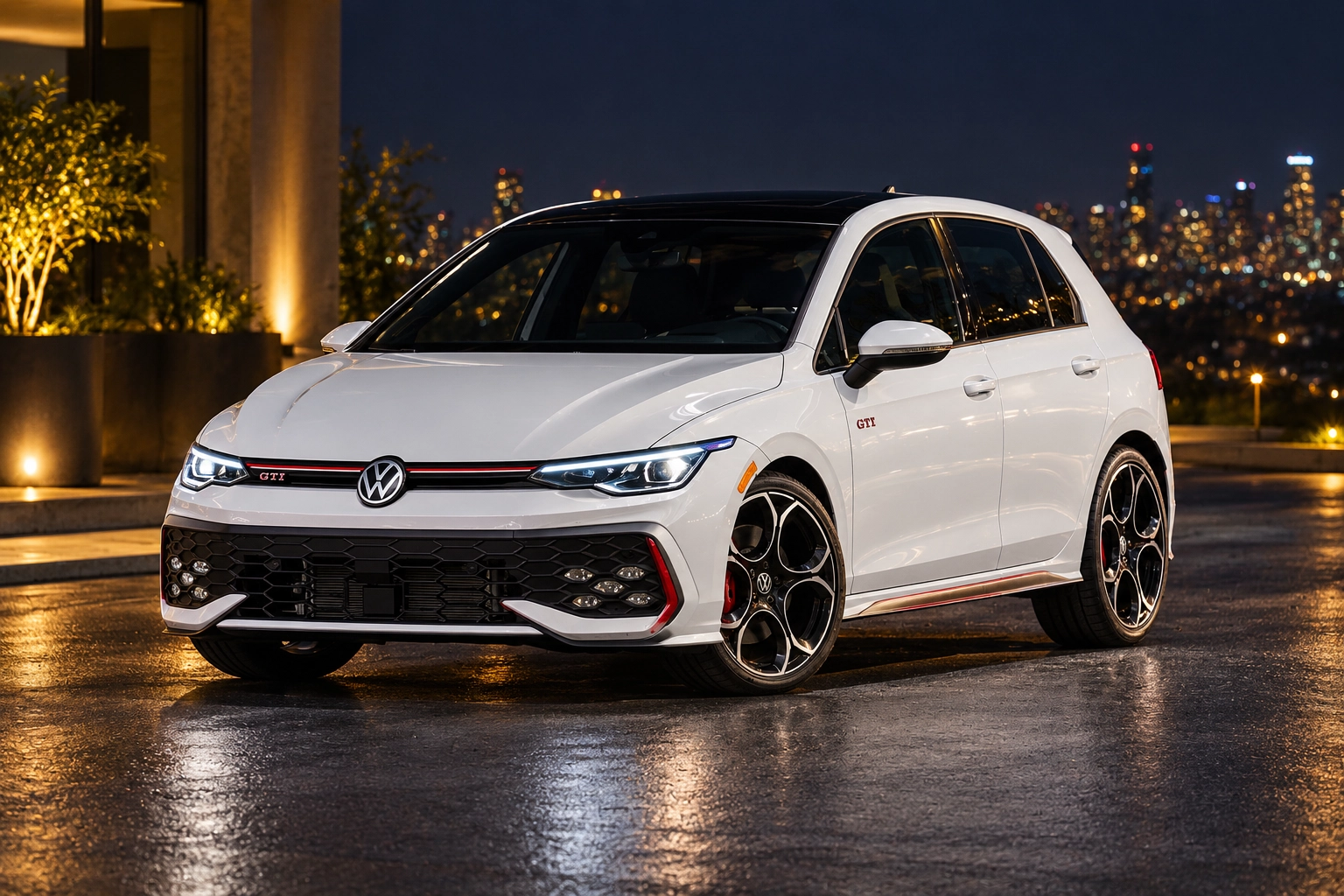
The bkd engine is Volkswagen's 2.0 TDI diesel used in the Golf 5 and several related VW Group models. KZN buyers should confirm the exact engine code, gearbox and vehicle specification before purchasing a replacement.
The BKD uses a 1,968 cc four-cylinder layout with 16 valves and Volkswagen's Pumpe-Düse unit-injector system.
Factory output is 103 kW and 320 Nm. The engine also uses a toothed timing belt rather than a timing chain.
This guide covers BKD specifications, Golf 5 applications, common problems and replacement checks. Buyers can also review the Volkswagen engine guide from Home of Engines KZN.
What Is the VW BKD Engine?
The BKD is a 2.0-litre turbo-diesel engine from Volkswagen's earlier unit-injector TDI generation.
Volkswagen developed it as a four-valve diesel with a cross-flow aluminium cylinder head.
Each cylinder has two intake valves and two exhaust valves.
The engine uses centrally mounted unit injectors and electronic diesel management.
VW BKD Engine Specifications
The BKD combines a 1,968 cc capacity with 103 kW and 320 Nm.
Specification | BKD Details |
|---|---|
Engine code | BKD |
Capacity | 1,968 cc / 2.0L |
Configuration | Inline four-cylinder |
Bore | 81 mm |
Stroke | 95.5 mm |
Compression ratio | 18:1 |
Valvetrain | DOHC, 16 valves |
Fuel system | Pumpe-Düse unit injector |
Aspiration | Turbocharged |
Maximum power | 103 kW at 4,000 rpm |
Maximum torque | 320 Nm at 1,750–2,500 rpm |
Timing drive | Toothed timing belt |
Which VW Models Use the BKD Engine?
The BKD appears in several transverse-engine Volkswagen Group vehicles.
Volkswagen Golf 5 2.0 TDI
Volkswagen Jetta 5 2.0 TDI
Volkswagen Touran 2.0 TDI
Audi A3 8P 2.0 TDI
Skoda Octavia II 2.0 TDI
SEAT Leon 2.0 TDI
SEAT Altea 2.0 TDI
SEAT Toledo 2.0 TDI in selected markets
The vehicle badge alone does not confirm compatibility. Always verify that the original engine code is BKD.
Does the Golf 5 2.0 TDI Use the BKD Engine?
Yes. Selected Golf 5 2.0 TDI models use the 103 kW BKD engine.
Volkswagen introduced this 2.0 TDI generation for the Golf 2004 and Touran platforms.
Other Golf 5 diesel engine codes also exist. Confirm the code before ordering a replacement.
What Is Pumpe-Düse Injection on the BKD Engine?
Pumpe-Düse uses an individual unit injector for each cylinder.
Each injector sits vertically in the cylinder head above the piston.
The exhaust camshaft mechanically drives the unit injectors.
This design differs from the later common-rail 2.0 TDI system.
Is the BKD a Common-Rail 2.0 TDI?
No. The BKD uses Volkswagen's earlier unit-injector diesel system.
Later 2.0 TDI engines moved to common-rail injection.
The injectors, cylinder head, fuel system and electronics differ significantly.
Do not treat a later common-rail 2.0 TDI as a direct BKD replacement.
Does the BKD Engine Use a Timing Belt or Chain?
The BKD uses a toothed timing belt.
The crankshaft drives both camshafts and the coolant pump through the timing-belt system.
The belt, tensioner and pulleys therefore deserve careful inspection on a used engine.
Unknown service history increases the importance of checking the complete timing system before regular use.
What Happens if a BKD Timing Belt Fails?
A major timing-belt failure can allow the pistons and valves to lose correct synchronization.
This can cause serious cylinder-head and valve damage.
Inspect the belt and related components when fitting an unknown replacement engine.
What Is the BKD Cylinder-Head Problem?
Some BKD engines can develop hairline cracks in the aluminium cylinder head.
The problem often presents as gradual coolant loss without an obvious external leak.
However, coolant loss does not prove that the cylinder head has cracked.
The EGR cooler, cylinder-head gasket and external cooling system can produce similar symptoms.
What Are Signs of a Cracked BKD Cylinder Head?
A cracked cylinder head can cause several cooling and combustion symptoms.
Slow coolant loss
No obvious external coolant leak
Pressure building in the cooling system
White exhaust smoke in some cases
Coolant contamination
Overheating
Uneven starting or running in severe cases
Pressure-test the cooling system before removing the cylinder head.
Check the EGR cooler and head gasket as part of the diagnosis.
Does Every BKD Engine Crack Its Cylinder Head?
No. A cylinder-head crack is a known BKD concern, but it does not affect every engine.
Engine history, temperature control and previous repairs can all affect condition.
Inspect the actual replacement engine rather than rejecting or approving it by code alone.
Can the EGR Cooler Cause BKD Coolant Loss?
Yes. An internal EGR-cooler leak can cause coolant loss without an obvious external drip.
This can resemble a cylinder-head or head-gasket problem.
Check the cooler before assuming the complete engine requires replacement.
Can BKD Unit Injectors Cause Running Problems?
Yes. Unit-injector or injector-control faults can cause rough running and poor combustion.
Symptoms can include difficult starting, uneven idle, smoke or reduced power.
Electrical connections and injector operation should form part of the diagnosis.
Do not condemn the complete engine before testing the fuel-injection system.
What Is the BKD Tandem Pump?
The tandem pump combines the engine's vacuum pump and fuel-supply pump.
The intake camshaft drives this pump.
A fuel or vacuum problem can therefore affect starting, fuel supply or other vehicle systems.
Inspect the pump and surrounding area for leakage on a used replacement engine.
Can Turbo Problems Feel Like BKD Engine Failure?
Yes. Turbo and boost-control faults can cause major power loss without internal engine failure.
Vacuum leaks, boost hoses and the charge-pressure control system can also affect turbo operation.
Check actual boost pressure before replacing the engine or turbocharger.
Can EGR and Intake Problems Affect a BKD?
Yes. Exhaust soot and oil vapour can build up in the EGR and intake system.
Heavy deposits can restrict airflow and reduce performance.
The BKD also uses an electrically controlled intake-manifold flap.
Diagnose EGR and intake faults before treating poor performance as complete engine failure.
What Other BKD Engine Problems Should You Check?
Several supporting components can create symptoms that resemble major engine damage.
Symptom | Possible Area | What to Check |
|---|---|---|
Coolant loss | Head, gasket, EGR cooler or external leak | Pressure-test cooling system |
Hard starting | Injector, compression or glow system | Scan ECU and test fuel system |
Power loss | Turbo, boost or EGR issue | Check boost pressure and vacuum system |
Rough running | Unit injector or compression issue | Check injector operation and compression |
Smoke | Fuel, boost or internal problem | Check injectors, turbo and engine condition |
Timing concern | Timing belt or tensioner | Inspect complete belt drive |
Is the BKD the Same as Other VW 2.0 TDI Engines?
No. Volkswagen used many different 2.0 TDI engine codes.
Engines such as AZV, BMM, BMN and later common-rail units can differ in cylinder-head design, output and electronics.
Turbo hardware, fuel systems, exhaust equipment and gearbox combinations can also change.
Match the BKD code whenever a direct replacement is required.
Can an Audi or Skoda BKD Engine Fit a Golf 5?
Possibly, because Volkswagen Group used the BKD across several transverse-engine platforms.
However, complete engines can use different mounts, manifolds, wiring and accessories.
The turbo pipework, exhaust components and transmission-side hardware may also differ.
Compare the donor engine with the original Golf 5 engine before installation.
Does the Gearbox Matter When Replacing a BKD Engine?
Yes. Gearbox type affects the clutch, flywheel and transmission-side components.
BKD-equipped vehicles can use different manual or DSG transmission combinations.
Always provide the gearbox type when requesting a complete replacement engine.
How Do You Identify the Correct BKD Replacement Engine?
Start with the bkd engine code and VIN. Then confirm the model, year and gearbox.
Information | Why It Matters |
|---|---|
VIN | Confirms original vehicle specification |
Engine code | Confirms BKD rather than another 2.0 TDI |
Vehicle model | External hardware can differ |
Model year | Helps identify production differences |
Gearbox | Clutch, flywheel and fitment can differ |
Electronics | Sensors and wiring must match |
Photographs | Helps compare turbo and external parts |
The Home of Engines KZN Volkswagen guide recommends matching the engine code, model, year, fuel type and gearbox before purchase.
What Should You Check When Buying a Used BKD Engine?
Check both compatibility and mechanical condition before buying a used BKD.
Confirm the BKD engine code.
Confirm the donor vehicle.
Check the production year.
Inspect coolant level and condition.
Look for unexplained coolant loss.
Pressure-test the cooling system where possible.
Check for oil and coolant contamination.
Inspect the timing belt and tensioners.
Check the water pump.
Inspect the unit injectors and wiring.
Check the tandem pump for leaks.
Inspect the turbo and boost system.
Check the EGR and intake system.
Confirm manual or DSG compatibility.
Compare mounts, wiring and sensors.
Ask what inspection and testing apply to the individual replacement engine.
Should You Repair or Replace a VW BKD Engine?
The correct option depends on the actual fault and the condition of the base engine.
Option | When It May Make Sense | Main Check |
|---|---|---|
EGR or boost repair | External system fault | Confirm base engine remains healthy |
Injector repair | Fuel-system fault | Check compression first |
Cylinder-head repair | Damage remains limited to the head | Inspect block and pistons |
Timing repair | Belt-related issue without internal damage | Confirm valve timing and compression |
Engine rebuild | Major components remain reusable | Compare machining and parts costs |
Replacement engine | Severe internal damage exists | Match the BKD specification carefully |
What Should You Check Before Installing a BKD Replacement Engine?
Find the cause of the original failure before installing another BKD engine.
Radiator and cooling system
EGR cooler
Water pump
Timing belt
Belt tensioners and pulleys
Engine oil and filter
Unit injectors
Injector wiring
Tandem pump
Turbocharger
Vacuum hoses
Intercooler and boost hoses
EGR valve
Intake manifold
Engine mounts
Clutch and dual-mass flywheel where applicable
DSG or manual gearbox connection
After installation, confirm oil pressure and coolant circulation. Check boost pressure and fuel-system operation.
Scan the vehicle for stored faults. Inspect the engine for oil, diesel and coolant leaks.
What Warranty Applies to a Home of Engines KZN BKD Replacement?
Home of Engines KZN currently states that its imported engines carry a three-month warranty.
The company also states that units receive quality checks before dispatch.
Buyers should confirm the current warranty terms before installing a BKD replacement engine.
Also confirm which supplied accessories receive cover and what installation requirements apply.
Where Can You Find a BKD Engine in KZN?
KZN buyers looking for a bkd engine can browse replacement engines from Home of Engines KZN.
Home of Engines KZN supplies imported low-mileage engines from its Ballito operation.
The company also offers nationwide delivery across South Africa.
Stock changes regularly. Confirm current BKD availability before arranging installation.
Buyers can contact Home of Engines KZN with the VIN, model year, engine code and gearbox details.
VW BKD Engine FAQs
What size is the VW BKD engine?
The BKD has a displacement of 1,968 cc and is marketed as a 2.0 TDI diesel engine.
How much power does the BKD engine produce?
The BKD produces 103 kW at 4,000 rpm and 320 Nm from 1,750 to 2,500 rpm.
Does the BKD use a timing belt or chain?
The BKD uses a toothed timing belt rather than a timing chain.
Is the BKD a common-rail diesel?
No. The BKD uses Volkswagen's Pumpe-Düse unit-injector diesel system.
Can a BKD cylinder head crack?
Yes. Hairline cylinder-head cracks are a documented possible cause of unexplained coolant loss on the Golf 5 BKD.
Does coolant loss always mean the BKD head is cracked?
No. External leaks, the EGR cooler and the head gasket can also cause coolant loss.
Can an Audi or Skoda BKD fit a Golf 5?
Possibly. Compare mounts, manifolds, wiring, turbo hardware and gearbox components before installation.
Can a BKD use a DSG gearbox?
BKD applications can use different transmission combinations. Confirm the original gearbox before purchasing a complete engine.
What information should I provide when buying a BKD engine?
Provide the VIN, vehicle model, production year, BKD engine code and gearbox type.
Final Advice Before Buying a VW BKD Replacement Engine
The safest way to buy a bkd engine is to match the engine code against the original Volkswagen specification.
Do not order according to “Golf 5 2.0 TDI” alone. Several different diesel engine codes appeared across the Golf 5 range.
Check carefully for unexplained coolant loss. Inspect the timing belt, injectors, turbo, tandem pump and EGR system too.
Confirm the gearbox, wiring, mounts and external hardware before installing an engine from another VW Group model.
KZN buyers can review the Home of Engines KZN Volkswagen range or send the team their vehicle details.