

The 1NZ FE engine is Toyota's 1.5-litre VVT-i petrol engine used in several Yaris, Corolla and related models. KZN buyers should confirm the engine code, model year and gearbox before purchasing a replacement.
The 1NZ-FE belongs to Toyota's NZ engine family. It uses a 1,497 cc four-cylinder layout, multi-point fuel injection and a timing chain.
Toyota produced the engine across several generations and markets. External components, electronics and transmission combinations can therefore differ between vehicles.
This guide covers 1NZ-FE specifications, Yaris applications, common diagnostic checks and replacement compatibility. Buyers can also review the Toyota engine guide from Home of Engines KZN.
What Is the Toyota 1NZ-FE Engine?
The Toyota 1NZ-FE is a naturally aspirated 1,497 cc four-cylinder petrol engine.
It uses double overhead camshafts, four valves per cylinder and Toyota's VVT-i variable valve timing system.
The engine uses sequential multi-point fuel injection rather than direct injection.
Toyota designed the NZ family for compact passenger vehicles where fuel economy and everyday drivability matter.
Toyota 1NZ-FE Engine Specifications
The 1NZ-FE uses a compact aluminium engine design with a relatively long 84.7 mm stroke.
Specification | 1NZ-FE Details |
|---|---|
Engine family | Toyota NZ |
Capacity | 1,497 cc / 1.5L |
Configuration | Inline four-cylinder |
Bore | 75.0 mm |
Stroke | 84.7 mm |
Compression ratio | 10.5:1 on common versions |
Valvetrain | DOHC, 16 valves |
Valve timing | VVT-i on intake camshaft |
Fuel system | Sequential multi-point injection |
Aspiration | Naturally aspirated |
Timing drive | Timing chain |
Typical power | Approximately 72–81 kW, depending on application |
Typical torque | Approximately 127–145 Nm, depending on application |
Which Toyota Yaris Models Use the 1NZ-FE?
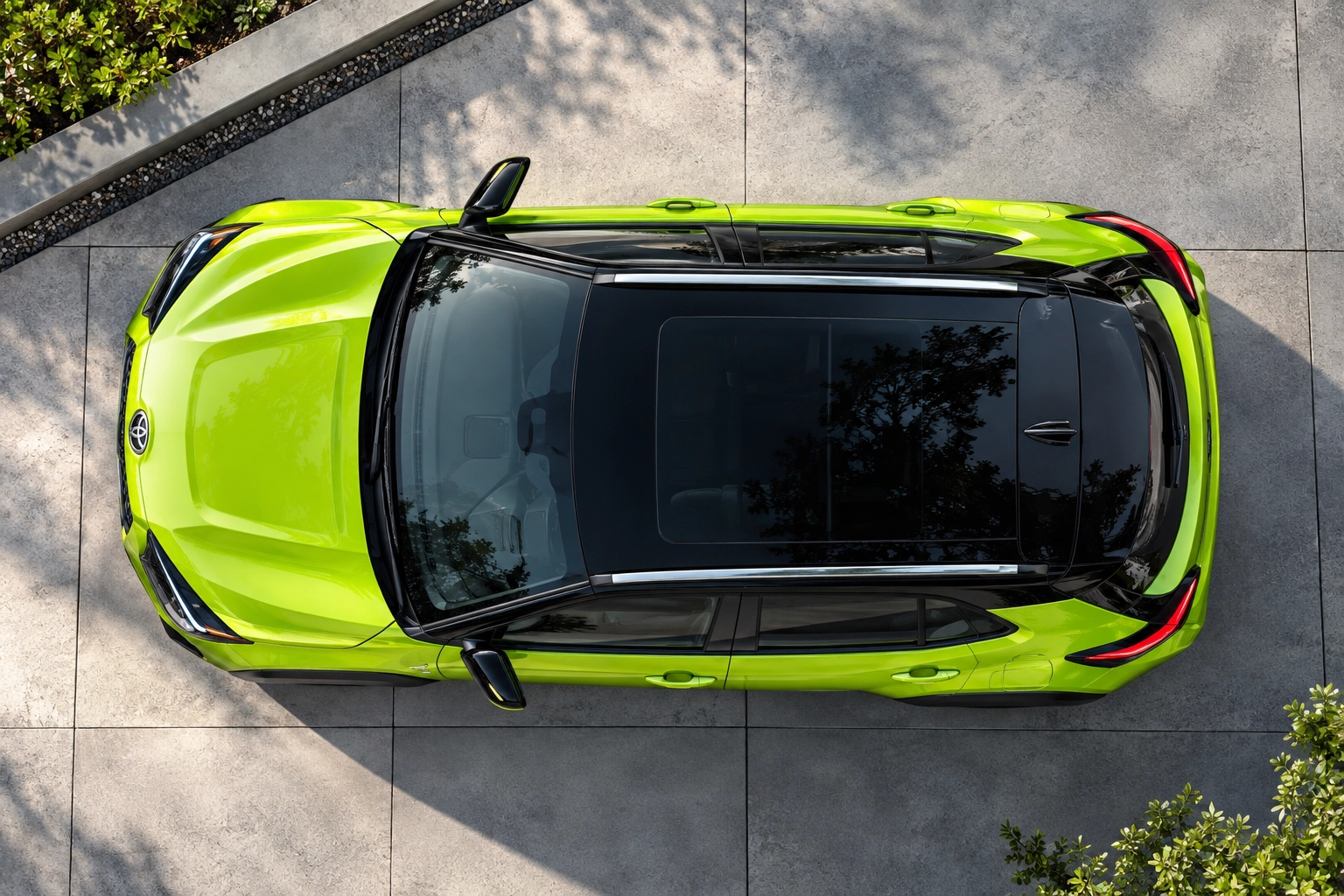
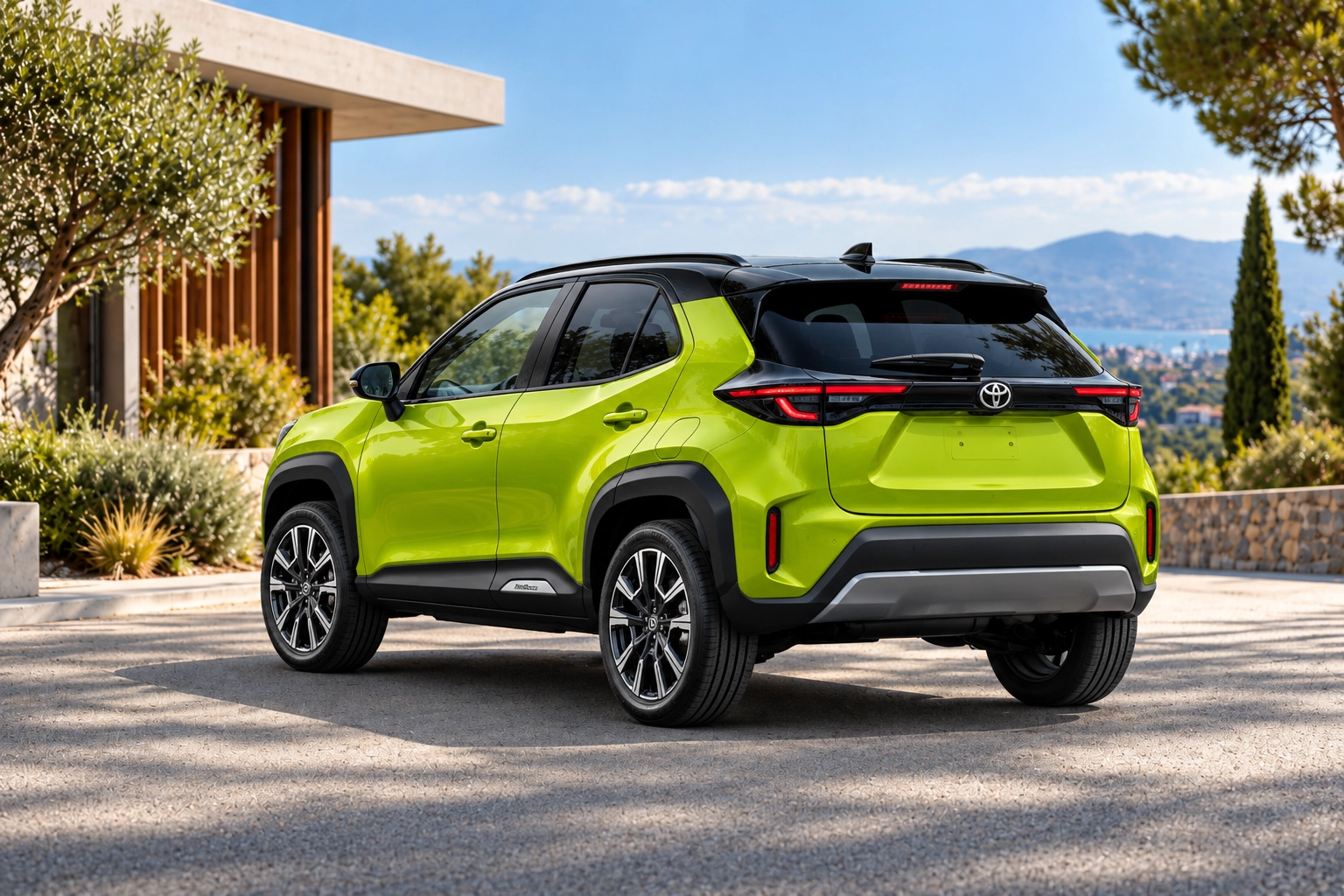
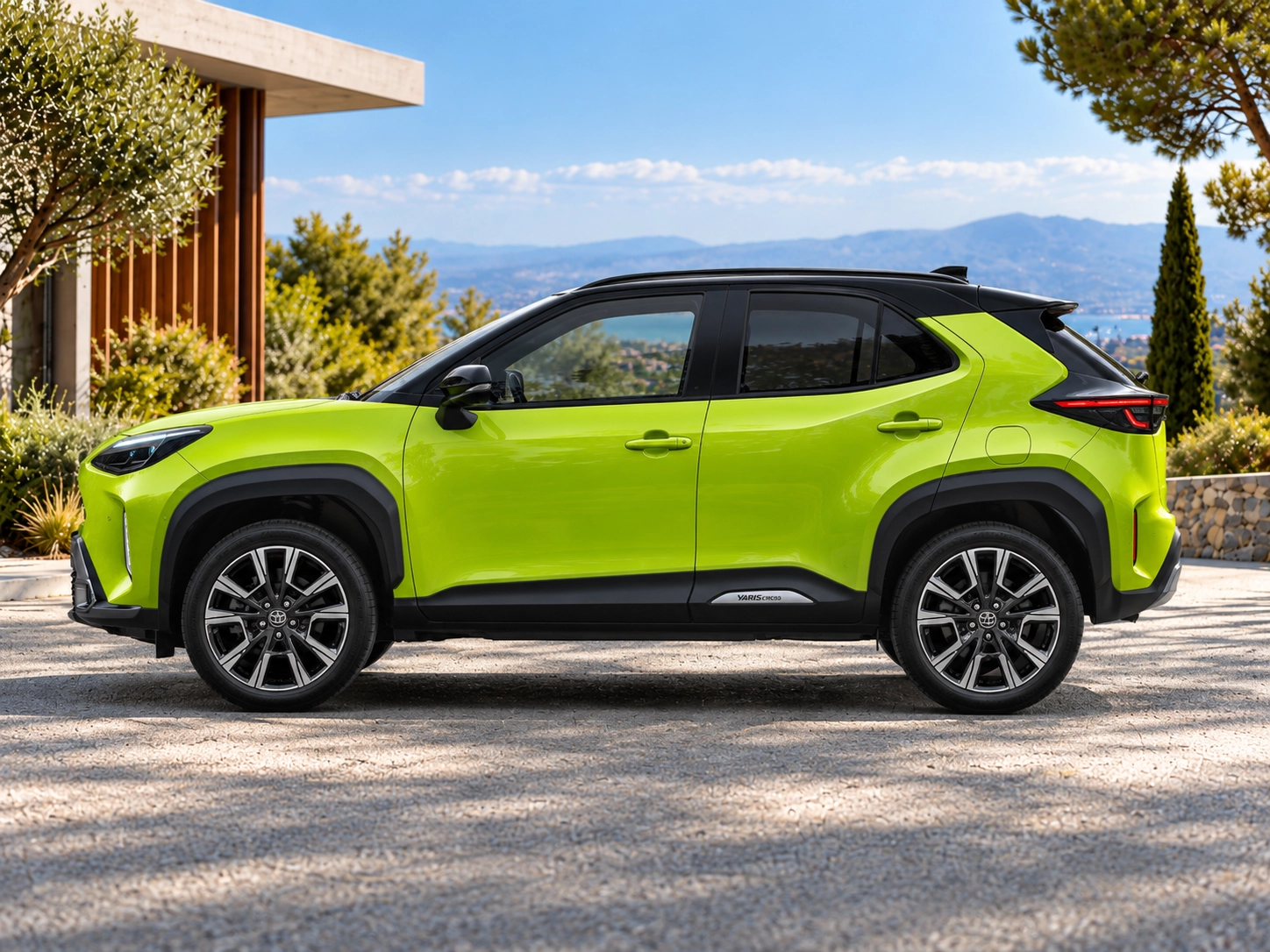
Several Toyota Yaris and Vitz 1.5 petrol generations use the 1NZ-FE engine.
First-generation Yaris / Vitz 1.5 in selected markets
Second-generation XP90 Yaris 1.5
Selected XP130 Yaris 1.5 models
Yaris sedan variants in selected markets
Earlier Echo 1.5 applications
Market specifications differ. A Yaris badge and 1.5 engine size do not confirm the exact engine version on their own.
Which Other Toyota Models Use the 1NZ-FE?
Toyota also used the 1NZ-FE across several other compact vehicle platforms.
Toyota Corolla in selected markets
Toyota Corolla RunX / Allex
Toyota Corolla Axio and Fielder
Toyota Vios
Toyota bB
Toyota ist
Toyota Sienta in selected versions
Toyota Probox in selected markets
Toyota Yaris Verso / FunCargo
The long application list makes code and fitment checks important when sourcing a donor engine.
Does the 1NZ-FE Use a Timing Belt or Timing Chain?
The 1NZ-FE uses a timing chain rather than a timing belt.
The chain drives the camshafts and works with a hydraulic tensioner and chain guides.
A healthy chain does not require routine replacement at a fixed belt-style service interval.
However, noise, timing faults or poor maintenance history can justify further inspection.
What Are Signs of 1NZ-FE Timing-Chain Wear?
Timing-system wear can cause mechanical noise and incorrect camshaft timing.
Rattle during cold starting
Persistent noise from the timing area
Camshaft or crankshaft correlation faults
Difficult starting
Rough running
Loss of performance
These symptoms do not automatically mean the chain has failed. Confirm the cause before replacing major components.
How Does the 1NZ-FE VVT-i System Work?
The 1NZ-FE uses VVT-i to adjust intake-cam timing while the engine runs.
The ECU controls an oil control valve. Engine oil pressure then moves the camshaft timing actuator.
This system helps balance low-speed response, fuel economy and higher-speed performance.
Correct oil level, oil quality and oil pressure are important for reliable VVT-i operation.
Can the VVT-i System Cause 1NZ-FE Running Problems?
Yes. VVT-i faults can cause warning lights, rough running and timing-related fault codes.
The oil control valve or its small filter can become restricted by contamination.
Toyota diagnostic procedures include checking the oil control valve, filter and camshaft timing actuator.
Check these components before assuming the complete engine has failed.
Can a 1NZ-FE Water Pump Leak?
Yes. The water pump can develop leakage or bearing wear as the engine ages.
Toyota's inspection procedure checks the pump drain area for active coolant leakage.
The pulley should also rotate smoothly without excessive noise or free play.
Inspect the cooling system carefully before installing a used replacement engine.
Can Overheating Damage a 1NZ-FE Engine?
Yes. Severe overheating can damage the aluminium cylinder head, head gasket and internal components.
Cooling faults can involve the water pump, thermostat, radiator, hoses or coolant loss.
Do not install another engine until the cause of the original overheating has been corrected.
Can Ignition Problems Feel Like 1NZ-FE Engine Failure?
Yes. Spark-plug and ignition-coil problems can cause rough running, hesitation and misfires.
An active misfire can also trigger the engine warning light.
Check the ignition system before assuming that low performance comes from internal engine damage.
Can a 1NZ-FE Develop Oil Consumption?
Oil consumption can increase as a high-mileage engine develops internal wear or deposits.
External leaks and crankcase ventilation faults can also reduce the oil level.
Measure actual oil consumption before deciding that the engine needs replacement.
A compression or leak-down test can help identify worn piston rings, cylinders or valves.
What Other 1NZ-FE Problems Should You Check?
Many symptoms come from supporting systems rather than complete engine failure.
Symptom | Possible Area | What to Check |
|---|---|---|
Cold-start rattle | Timing chain or tensioner | Inspect timing system |
Rough idle | Ignition, intake or fuel issue | Scan ECU and check ignition system |
VVT-i fault | Oil control valve or filter | Inspect VVT-i oil circuit |
Coolant loss | Water pump or cooling-system leak | Pressure-test cooling system |
Oil consumption | Leak, rings or valve wear | Measure consumption and compression |
Loss of power | Ignition, fuel, VVT-i or compression | Read fault codes and test engine condition |
Is the 1NZ-FE the Same as the 1NZ-FXE Hybrid Engine?
No. The 1NZ-FE and 1NZ-FXE belong to the same engine family but use different combustion strategies.
The 1NZ-FE uses a conventional Otto-cycle configuration.
The 1NZ-FXE uses an Atkinson-cycle design for Toyota hybrid applications such as the Prius.
Compression characteristics, cam timing and hybrid integration differ.
Do not treat a Prius 1NZ-FXE as a direct replacement for a Yaris 1NZ-FE.
Is the 1NZ-FE the Same as the 2NZ-FE?
No. The 2NZ-FE is the smaller 1.3-litre member of Toyota's NZ engine family.
The engines share several design features, but their displacement and internal specifications differ.
Do not order a 2NZ-FE as a replacement simply because it looks similar to a 1NZ-FE.
Can a 1NZ-FE From Another Toyota Model Fit a Yaris?
Possibly, but matching the 1NZ-FE code alone does not guarantee a complete bolt-in installation.
Toyota used the engine across different platforms, years and markets.
Intake manifolds, exhaust systems, throttle controls, sensors and engine mounts can differ.
The sump, wiring and transmission-side components may also require comparison.
Does the Gearbox Matter When Replacing a 1NZ-FE?
Yes. Toyota paired the 1NZ-FE with several manual, automatic and CVT transmissions.
Flywheel, flexplate, starter and transmission-side components can differ between applications.
Always provide the gearbox type when requesting a complete replacement engine.
How Do You Identify the Correct 1NZ-FE Replacement Engine?
Start with the 1NZ FE engine code and VIN. Then confirm the Toyota model, year and gearbox.
Information | Why It Matters |
|---|---|
VIN | Confirms the original vehicle specification |
Engine code | Confirms 1NZ-FE rather than 1NZ-FXE or 2NZ-FE |
Toyota model | External components can differ |
Model year | Specifications changed during production |
Gearbox | Transmission-side hardware must match |
Electronics | Throttle, ECU and sensor systems can differ |
Photographs | Helps compare mounts, manifolds and wiring |
The Home of Engines KZN Toyota guide recommends matching the model, year, engine size, fuel type, gearbox and engine code.
What Should You Check When Buying a Used 1NZ-FE Engine?
Check compatibility and mechanical condition before purchasing a used 1NZ-FE.
Confirm the 1NZ-FE engine code.
Confirm the donor Toyota model.
Check the production year.
Confirm the gearbox type.
Check engine-oil condition.
Look for external oil leaks.
Inspect coolant condition.
Look for signs of overheating.
Check the water-pump area for leakage.
Listen for abnormal timing-chain noise.
Check the VVT-i system for stored faults.
Inspect ignition coils and spark plugs.
Check compression where possible.
Compare wiring and sensors.
Compare engine mounts and manifolds.
Ask what inspection and testing apply to the individual replacement engine.
Should You Repair or Replace a Toyota 1NZ-FE Engine?
The correct option depends on the actual fault and internal condition of the engine.
Option | When It May Make Sense | Main Consideration |
|---|---|---|
Ignition repair | Spark-plug or coil fault | Check compression if misfire remains |
VVT-i repair | Oil-control or actuator fault | Check oil supply and filter |
Cooling repair | Water-pump or external leak | Confirm no overheating damage |
Timing repair | Chain or tensioner wear | Confirm valve timing and compression |
Engine rebuild | Major components remain repairable | Compare parts and machining cost |
Replacement engine | Severe internal damage exists | Match the exact vehicle specification |
What Should You Check Before Installing a 1NZ-FE Replacement Engine?
Find the cause of the original failure before installing another engine.
Radiator and cooling system
Water pump
Thermostat
Coolant hoses
Engine oil and filter
Timing chain, guides and tensioner
VVT-i oil control valve
VVT-i oil filter
Spark plugs
Ignition coils
Fuel injectors
Throttle body
Engine wiring and sensors
Engine mounts
Clutch or flexplate
Gearbox connection
After installation, confirm oil pressure and coolant circulation. Check the engine for stable idle and correct operating temperature.
Scan the ECU for stored fault codes. Inspect the engine for fuel, coolant and oil leaks.
What Warranty Applies to a Home of Engines KZN 1NZ-FE Replacement?
Home of Engines KZN currently states that its imported engines carry a three-month warranty.
The company also states that units receive quality checks before sale.
Buyers should confirm the current warranty terms before installing a replacement engine.
Also confirm which supplied accessories receive cover and what installation requirements apply.
Where Can You Find a 1NZ-FE Engine in KZN?
KZN buyers looking for a 1NZ FE engine can browse replacement engines from Home of Engines KZN.
Home of Engines KZN supplies imported low-mileage engines and offers nationwide delivery across South Africa.
Stock changes regularly. Confirm current 1NZ-FE availability before arranging installation.
Buyers can contact Home of Engines KZN with the VIN, model year, engine code and gearbox details.
Toyota 1NZ-FE Engine FAQs
What size is the Toyota 1NZ-FE engine?
The Toyota 1NZ-FE has a displacement of 1,497 cc. Toyota commonly describes it as a 1.5-litre petrol engine.
Does the 1NZ-FE use a timing belt or chain?
The 1NZ-FE uses a timing chain rather than a timing belt.
Does the Toyota Yaris use a 1NZ-FE engine?
Yes. Several Toyota Yaris and Vitz 1.5 petrol models use the 1NZ-FE, depending on year and market.
Does the 1NZ-FE have VVT-i?
Yes. The 1NZ-FE uses Toyota VVT-i on the intake camshaft.
Is the 1NZ-FE the same as the 1NZ-FXE?
No. The 1NZ-FXE uses an Atkinson-cycle configuration for hybrid applications, while the 1NZ-FE uses a conventional Otto cycle.
Is the 1NZ-FE the same as the 2NZ-FE?
No. The 2NZ-FE is a smaller 1.3-litre member of Toyota's NZ engine family.
Can a 1NZ-FE water pump leak?
Yes. Check for active coolant leakage, bearing noise or excessive pulley movement during inspection.
Can VVT-i faults cause poor running?
Yes. Problems with the oil control valve, filter or camshaft actuator can affect valve timing and engine performance.
What information should I provide when buying a 1NZ-FE engine?
Provide the VIN, Toyota model, production year, 1NZ-FE engine code and gearbox type.
Final Advice Before Buying a Toyota 1NZ-FE Replacement Engine
The safest way to buy a 1NZ FE engine is to match the code against the original Toyota specification.
Do not rely on “Toyota 1.5” alone. Toyota used several different 1.5-litre engines across its model range.
Also distinguish the 1NZ-FE from the hybrid 1NZ-FXE and smaller 2NZ-FE.
Inspect the timing system, VVT-i components, cooling system, ignition system and compression before installation.
KZN buyers can review the Home of Engines KZN Toyota range or send the team their vehicle details.